
Of Cover Bands and Lone Men
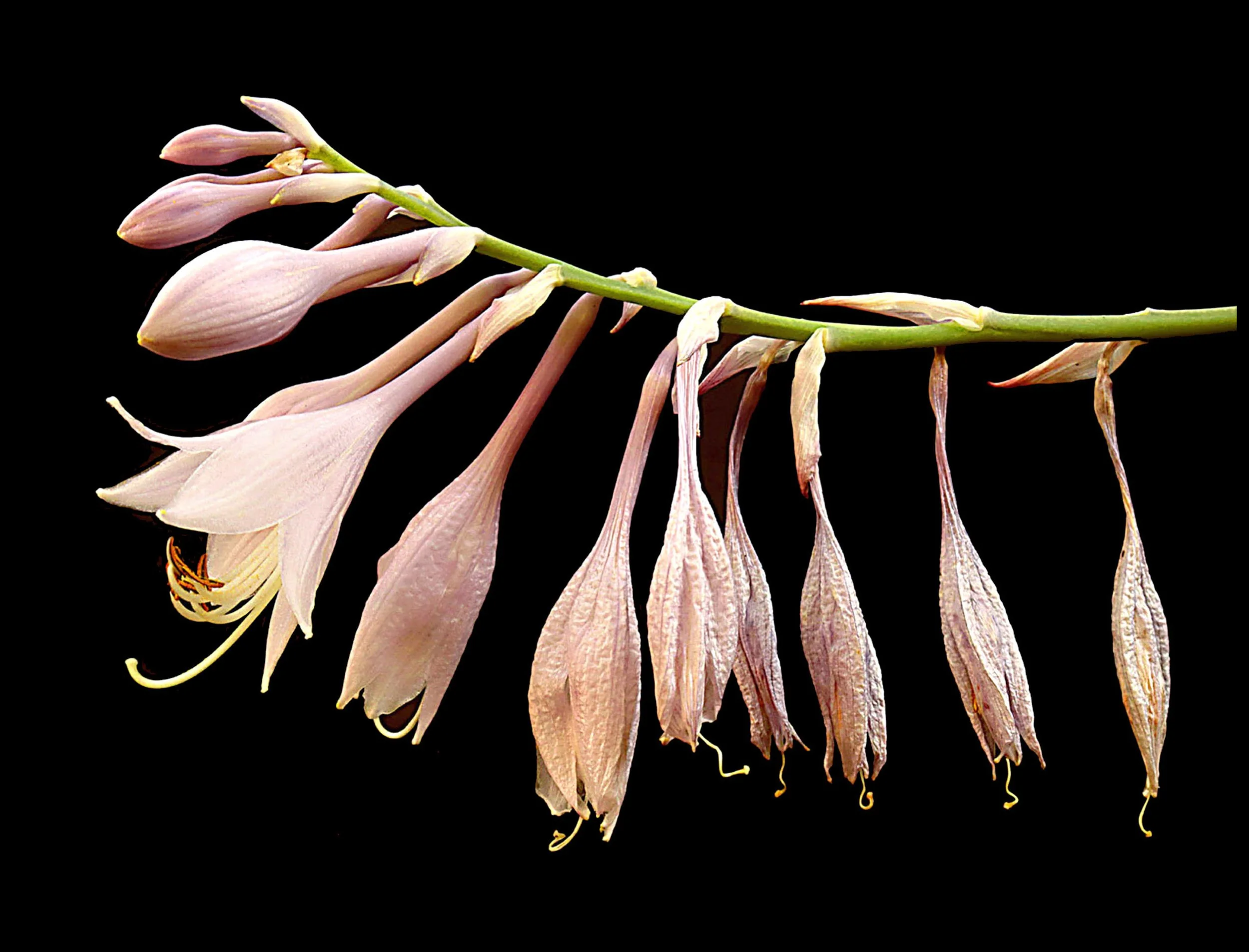
“Lifecycle of a Hosta” Aiken, SC, June 2020
Hello Friend,
During one of my first photo classes in college, my teacher Dan K. projected on the wall some of the great works of photography. When one came up, I could not tell what it was. It looked like a night-sky photo, complete with constellations and even a black hole. As I sat staring for a bit, I realized it was actually an apple. I was looking at Paul Caponigro’s “Apple, New York City, 1964” also know as “The Galaxy Apple”. I’m sure many of you have seen and remember this image. (Here is a link to his son’s website where he talks a bit about it.)
The next semester when I was then learning about studio lighting, I remembered that apple photo. I bought a few apples and took them to the studio to play with them and the lights to see if I could make something similar. As you can guess – not even close. Many of my classmates brought in peppers to figure out how Edward Weston did it. Again, not even close. But we all did learn some new things about photography and lighting.
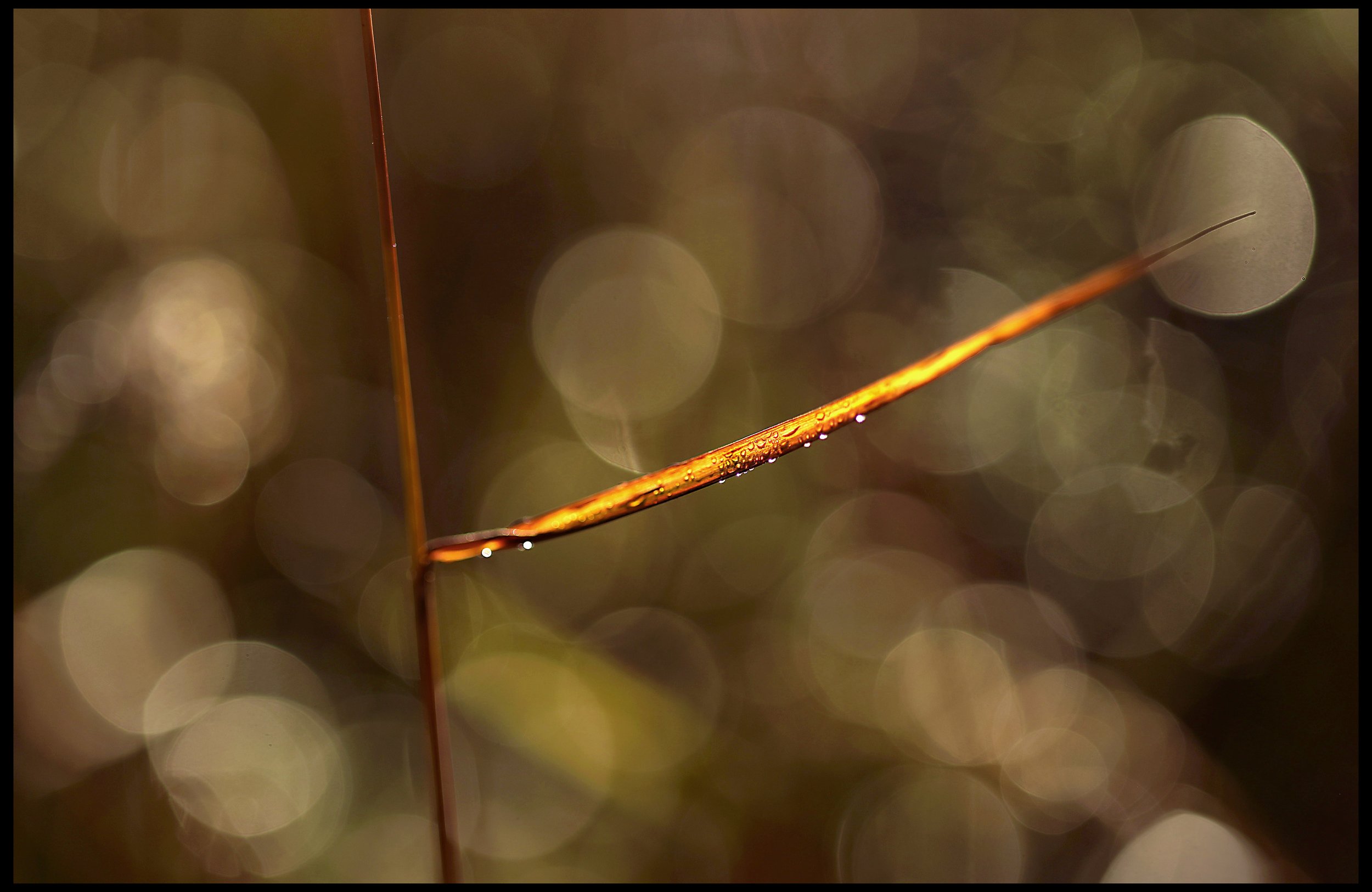
“Morning Dew on Dead Grass” Aiken, SC, November 2024
I’m sure this is common in almost all beginning art classes of any type. The newer artists look to one of the masterpieces of their artform and try to copy it. The painter trying “The Starry Night” or a sunflower, or almost every guitarist going for “Smoke on the Water” or “Stairway to Heaven” or the opening bass line for “Another One Bites the Dust.” I even remember in one of my writing classes, the teacher had us pick a short story to physically write out and copy.
This got me thinking, at what point is copying an acceptable way to learn a new skill and when does it become a crutch actually holding us back. Next, I thought about “cover bands”. Are they musicians that just never took that extra creative step? Then I remembered my brother Mike had been in a couple of cover bands for years, and had an absolute blast doing it. So, I called him up to chat with him about it.
Our conversation brought back a lot of very fun memories for him as he told stories of their hours of practicing and some of the gigs that went really well, and those that were more challenging. I’m sure he’s like so many people who make up these types of bands. He had a full-time job and no formal training as a singer. Because of this, how else was he going to get the chance to do something he really enjoyed and was good at? I’m sure singing around the house wasn’t as much fun as singing in front of a few hundred friends a handful of times a year. Like the time the whole Krohn family was visiting him in New Jersey and his band put on a great show at a local bar.
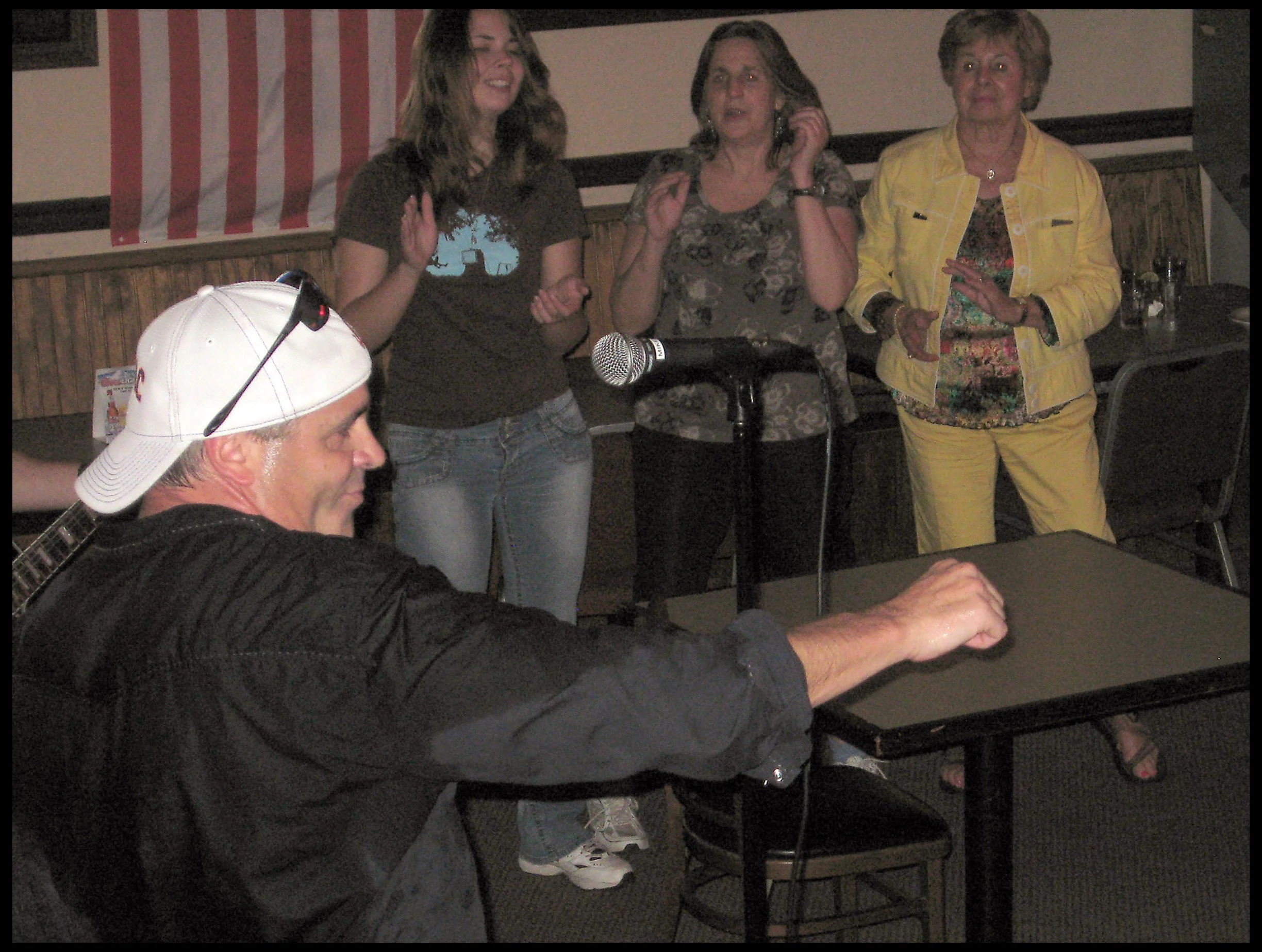
My brother Mike during a performance with his band "Generation Haze at Shady Katie’s in Somerdale, NJ, June 2011. In the background is a niece Tiana, our sister Liz and our mom, Margaret Mary.
He talked about how at first they wanted to get the songs as close to the album version as possible. Then he said, “As you put in the reps, new ideas come to you.” The band would need to come up with slightly different arrangements of songs because they didn’t have all the same instruments or skill level as what the original song had. Or that album versions of songs end differently than what you would want to do in a live show. So, there is a certain point you want to keep things close to what people expect, but also give them something a little different.
When does making different arrangements start becoming its own art? In the past few years, I’ve come across a group called Postmodern Jukebox and a young guitarist named Marcin Patrzalek. Both take well-known songs and do completely different types of arrangements. In my mind I contrast this to some older rock groups that continue to tour and only play their “classic hits”. I kinda think of them as becoming the best cover bands of their own work. Part of this is they become victims of their own success and a maybe fearful of straying from their well-worn path to that success.
In the photo world there are a handful of photographers people often try to emulate. As I had earlier, there’s Paul Caponigro and Edward Weston with still lives and some landscapes. Though, when it comes to landscapes, we all know who everyone would like to be – or be as popular as – Ansel Adams. Tons of us go out each year hoping to get an image as good as his of Half Dome or Tunnel View or a moonrise or fill in your favorite photo. With digital cameras, software and AI, recreating an Ansel Adams – or any other photographer’s work – is pretty easy. Yes, there is a certain amount of pride in being able to put together something that looks like one of the masterworks. Though, if you really want to be creative, what are you missing out on?
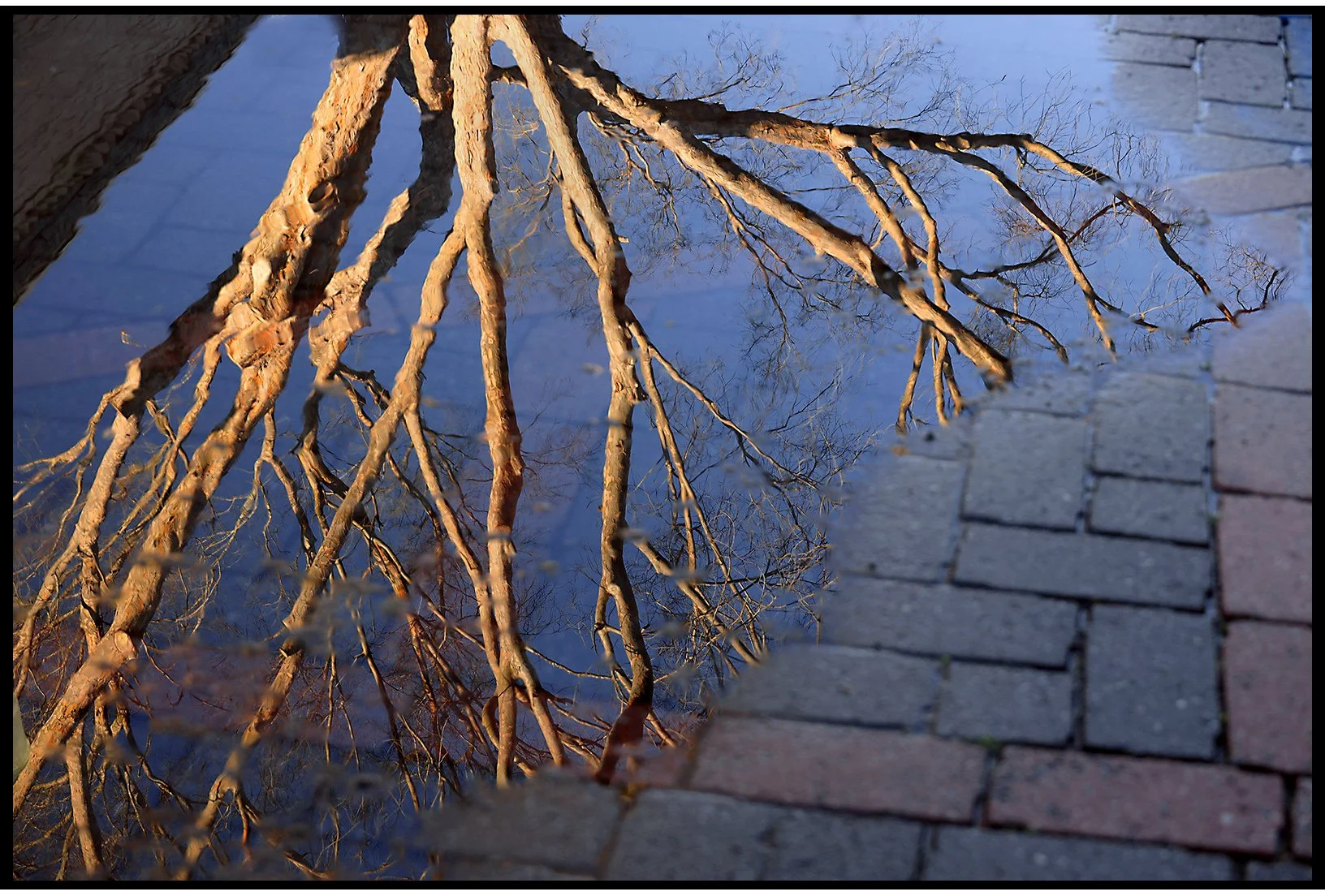
“Cracks in the Road” Aiken, SC, January 2026
I have been following and listening to the photographer Cole Thompson. Who, not too long ago, really wanted to be the best Ansel Adams imitator. You might say, he wanted to be in the best “Ansel Adams Cover Band”. I’ve heard Cole talk about this a few times, and in our correspondence gave me his enthusiastic approval to retell his story about that part of his creative journey.
As the story goes, he was at a very large portfolio review session showing off his work that was heavily influenced by Adams. So much so, he wanted to make sure people knew he was actively working to recreate works by Adams. He said many people were impressed, and he felt good about that. Until his last reviewer. The man quickly scanned the photos, dismissively pushed them back to Cole, and said, “Looks like you are trying to copy Ansel Adams”. Cole, of course, was doing just that. What the reviewer said next hit very hard. In a condescending tone the reviewer said: “Ansel’s already done Ansel and you’re not going to do him any better …What can you do that exhibits your unique vision?”
Cole said he was devastated for weeks after this. Years of working to bring his skills up to a level that people would recognize his efforts was now put into doubt. It took him a while to get over this shock. Then he started to ask himself if he really only wanted to be known as the “Greatest Ansel Adams imitator”? Or did he have something else to say that was his own.
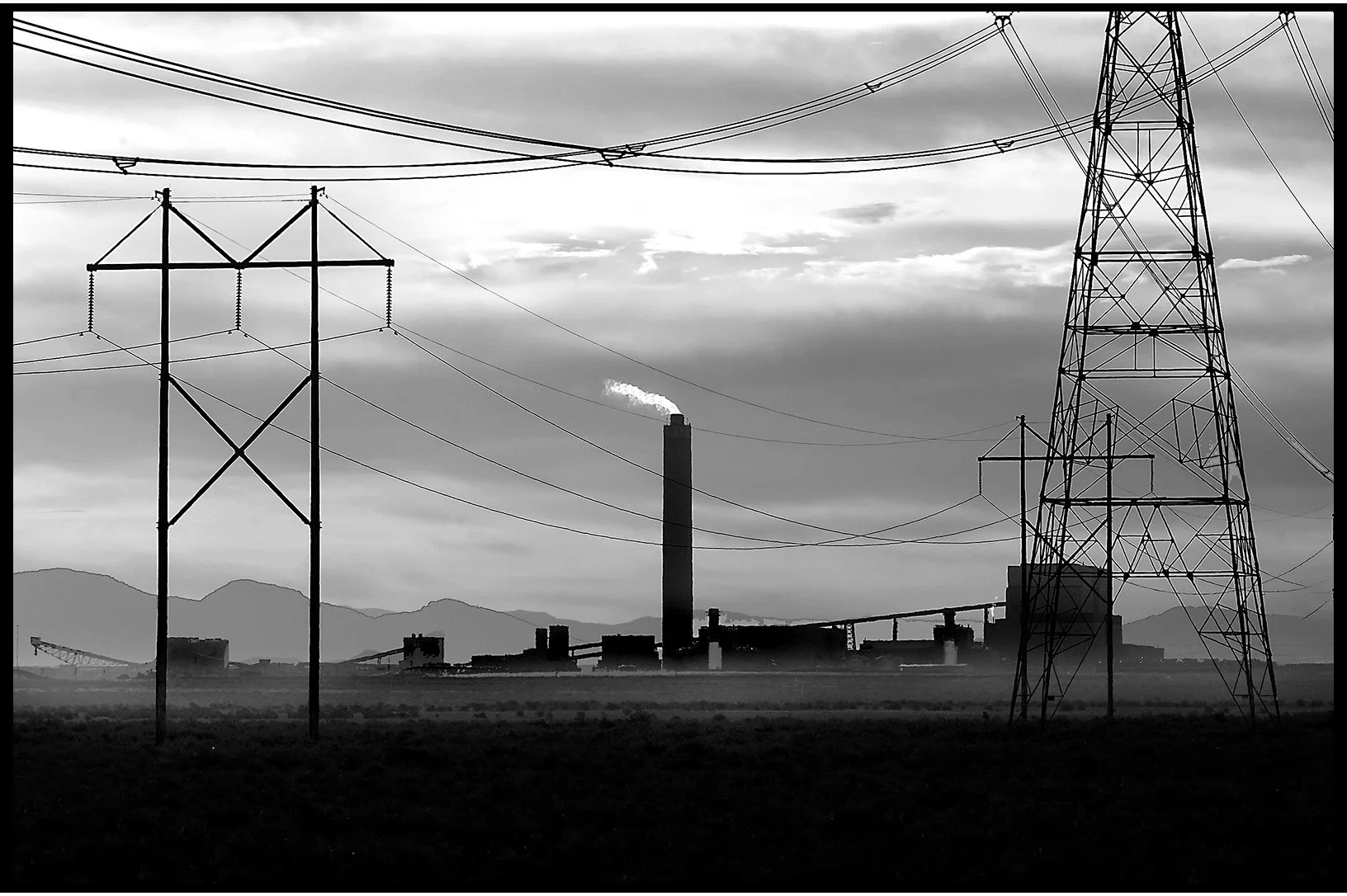
“Intermountain Power Plant” Delta, Utah, June 2025
He said this set him on a path to look for and hopefully create his own vision. Since that time, he then put together what were 10 steps to help him find his vision. (I’m not going to dive into this process, so here’s a link if you want to read his post about it.) One of his steps, and the one most relevant to this blog, is what he calls “Photographic Celibacy”. This is when he stopped looking at other photographs, so he would not be influenced to copy their work – intentionally or not. For sure this is an extreme and unique approach to avoiding copying the work of others. He’s been faithful to this since the early 2000’s. He says since he started this, he is much more satisfied, happier and more inspired to make the photos he wants to make.
And I think this brings me back to what got me wanting to write about the idea of copying and the question “What can you do that exhibits your unique vision/voice?” Though, I do also want to add in here: “What gives you satisfaction, what gives you enjoyment and what inspires you to create?” I think these are the questions we all get to at some point.
Sometimes we make the change from imitation to unique on our own and sometimes it’s that “slap in the face” by someone else. And sometimes it is a lot of fun to follow after others and find enjoyment in the discovery of what makes a great work great.
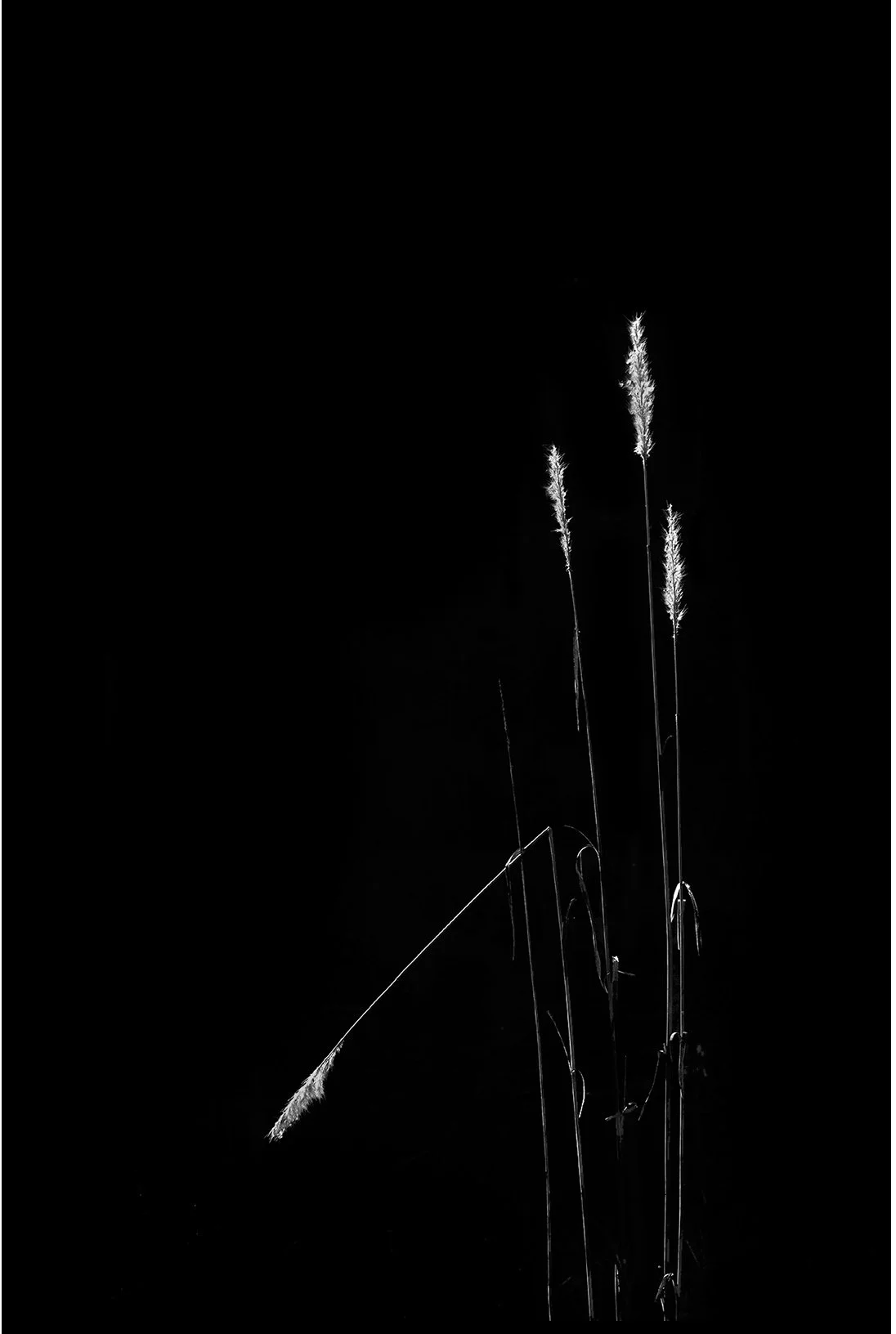
“Broken II” Boyd Pond Park, December 2023
Though, there are a few areas where I have issues. It is where someone deliberately sees another’s work, duplicates it, and then pass it off as their own. Be it a writer or musician plagiarizing or a photographer getting the exact image of another’s and saying they were there first, when they were not. That is someone stealing another person’s ideas and works; not just coping to learn something new, or to see a place the way others might have before them.
To be honest, I sometimes thought cover bands and people that spent the time copying others as not that creative. Then I found myself dancing and singing along as they pumped out the tones. Or saw the joy and excitement that people get from putting things together in just such a way, they come out with something they are honestly proud of. And another thought, when I was talking about this idea with my wife, she had a very interesting observation: “Aren’t all ‘classical orchestras’ technically cover bands? It’s not like you are watching Mozart or Beethoven up there putting on the concert. How come it’s alright for them to be ‘cover bands’?” So, who am I to judge what others find as satisfying, fun and exciting?
I jokingly wrote to Cole, what if he decided not to listen to that last reviewer. What would his work look like now? And that maybe he would also be running workshops in Yosemite showing people how to technically photograph just like Ansel. He wrote back, he suspected he’d “still be churning out technically good, but average, images that looked like everyone else's.” He also wrote, “Now if I believed in “meant to be,” then perhaps I would have learned that lesson some other way.”
My challenge for us this week is, if we catch ourselves influenced and copying someone else, to step back for a moment and think of ways we can create something that is your own. Ask ourselves, “What can I do that exhibits my unique vision/voice?”
Thank you and keep creating what you do.
Patrick Krohn
May 2026
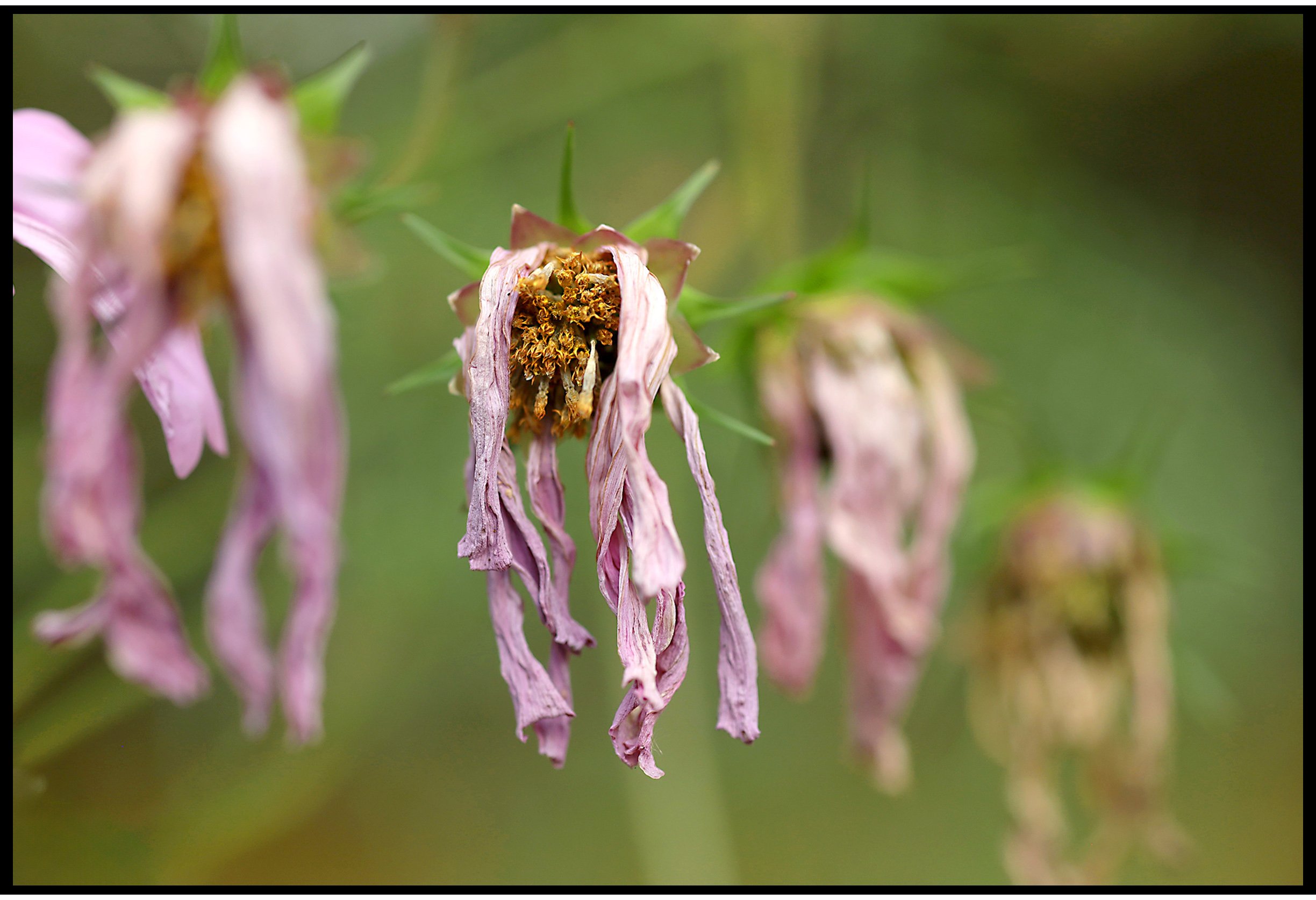
“The Party’s Over” Hillsborough, NC, November 2025
A final note: The photos in this blog might not be direct copies of other photographer’s works, but they were sure influenced by them. And in most cases I was actually thinking of that photographer’s work when creating the image. (And yes, the powerplant photo was influenced by Cole’s work.) As well as part of my title for this blog comes from Cole Thompson’s “The Lone Man” photo series.
Thanks to Cole and my brother Mike for helping with your ideas on this post.