
Let Me Pencil You In: How Scheduling Can Actually Help Your Creativity
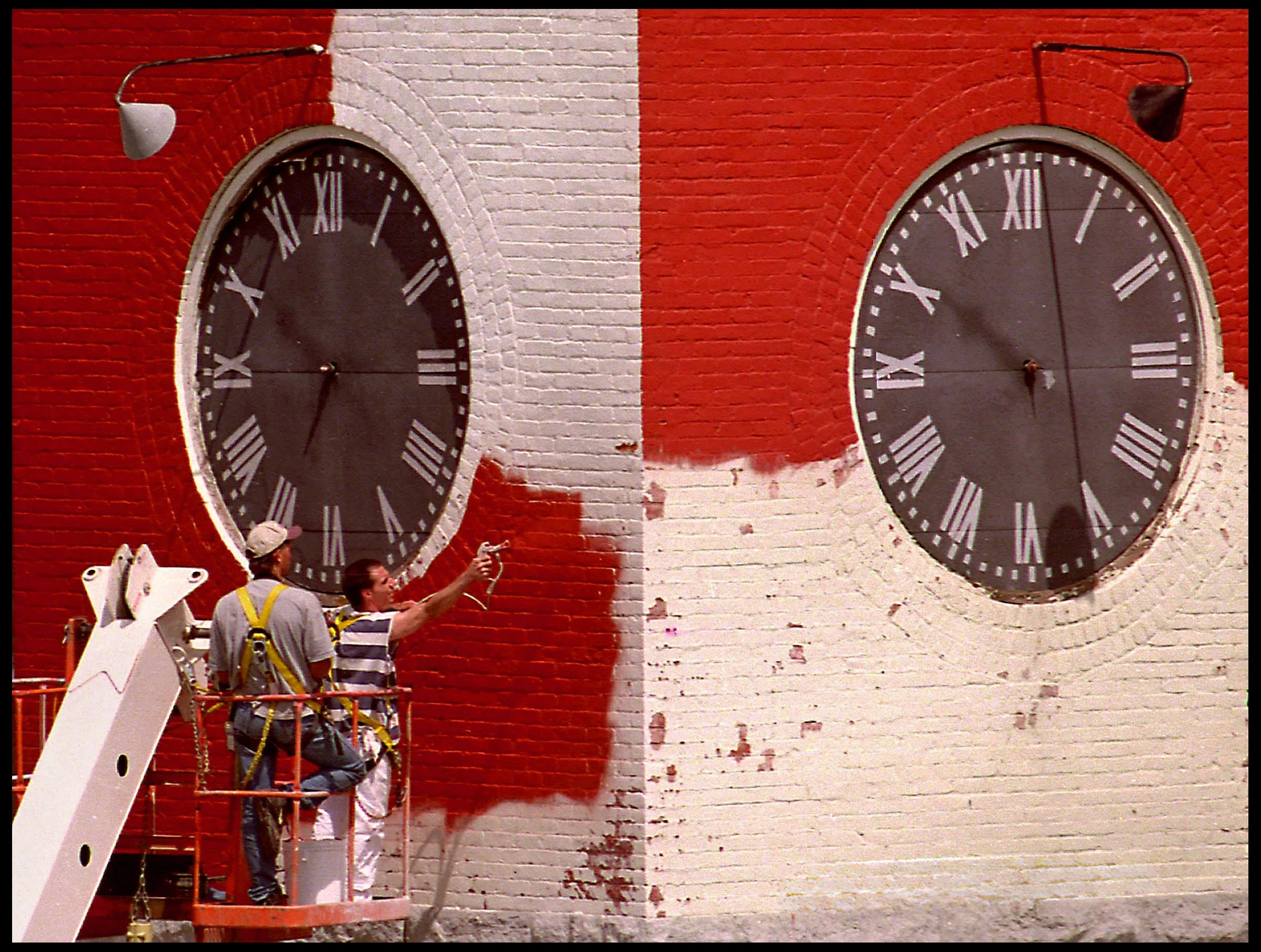
“Repainting the Old Butte City Hall Clock” Butte, MT, June 1997
Hello Friend,
I am always amazed by those artists who can put out a large volume of work consistently and at a high level. Those writers that turn out great books on an annual basis. Those musicians that create hit after hit, year after year. Podcasters who put out engaging content week after week. The directors and actors who can produce works that can take years, but they keep pumping them out, time after time. Those artists that generate masterpieces every time you turn around.
Oh, those creators that take their time and produce works at a slower pace are no less impressive, I just can’t believe how people can be that consistent that often. I originally thought those types of people must have been given something special when they were born. Some ability the rest of us commoners don’t have. That their muse is just giving them these great ideas time and time again.
Then, as I started looking more into how successful creative people got to where they were, and one of the most common factors was time. The time they put into their craft consistently and how long they have been doing it. And more and more, the people I looked up to, talked about how they scheduled and planned their time.
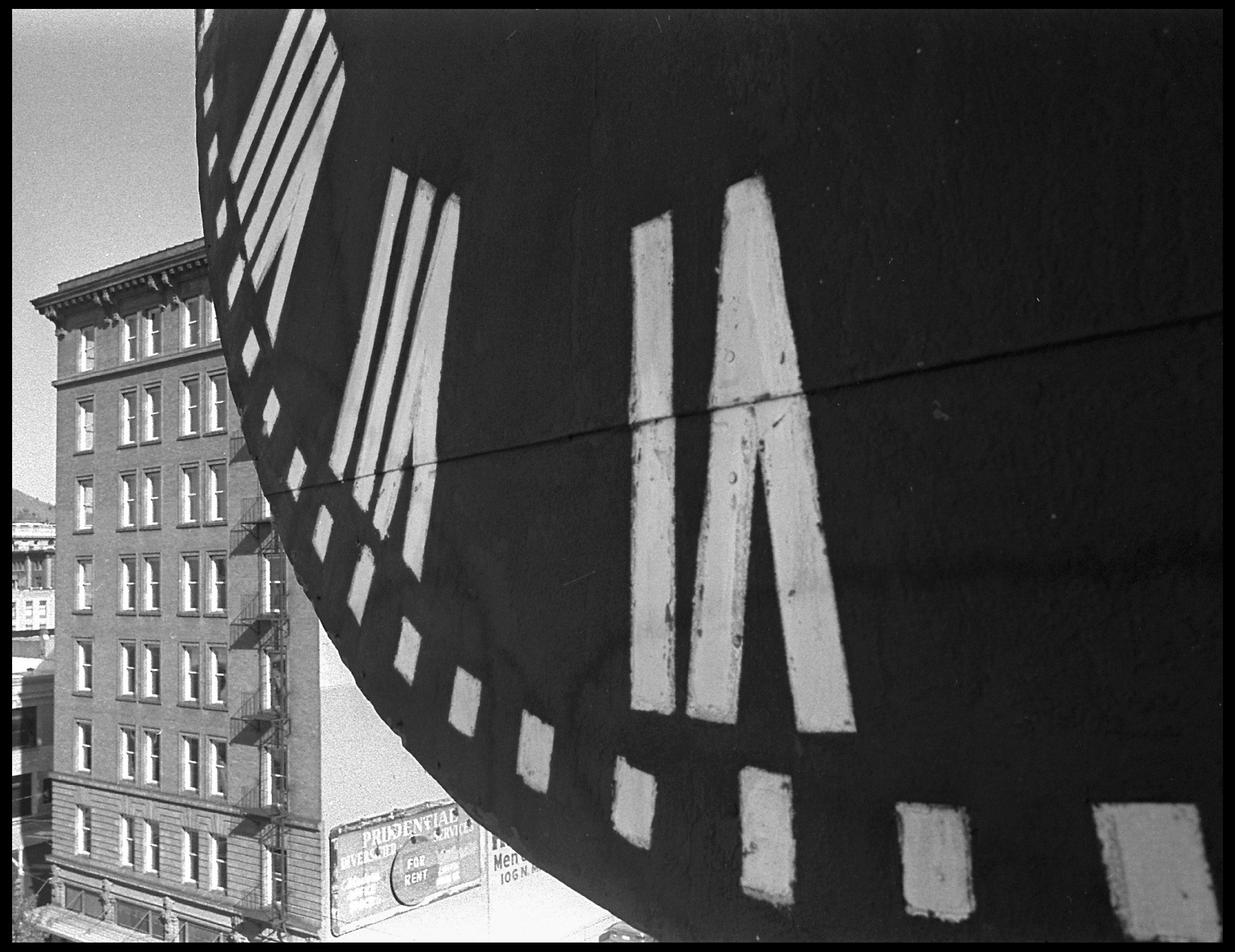
“Reveling Time” Inside the Butte City Hall clock towner, August, 1996
For so long, I had the sense that great artists just come about every once in a while; their great works just comes into being. And those great works came complete and awesome with almost no effort on the part of the artist. Poof, another great work just appears. Then, I really started listening to the artists talk about how they got to where they were. How much time and effort went into creating each piece of work. Then the next level of what I found was how they cultivated constant creative habits – like scheduling when they would work on their creations.
Wait! What? Don’t ideas just come to these people and voila, the work is done and beautiful? Who sits down and plans out when they will be creative?
Actually, this last question IS what separates those creating at the highest level and those that just do it when they have a spare moment or when they “feel up to it”. They have a scheduled time that they plan for and work at. That schedule could be something they do daily, weekly, monthly or at specific times of the year. But the key is they are consistent at it.
But, doesn’t “scheduled creativity” take away the fun and spontaneity of creating? Actually no. I’ve heard artist talk about the freedom scheduling actually gives them. How often have we heard about an artist telling a story that they were just watching TV or scrolling on their phone, and all of a sudden, a great idea hit them? And right away they created some amazing master work? If something like that does happen, it’s usually in the category of “one-hit wonder.” Or it’s a made-up story to help perpetuate the myth of the idea coming out of nowhere.
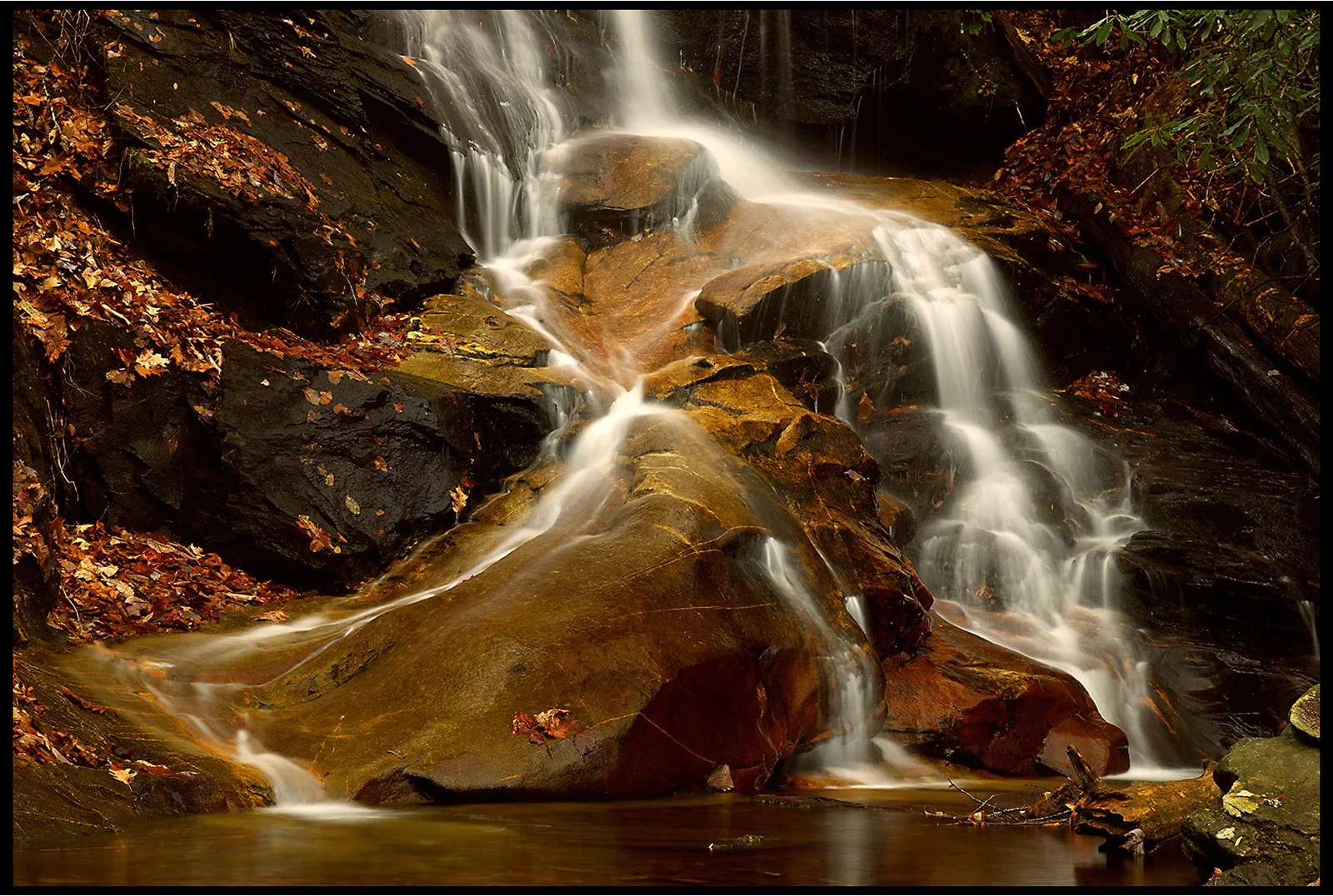
“Log Hollow Falls” Brevard, NC, January 2026
As I’ve written about before, one of my favorite authors is Brandon Sanderson. Since his first novel was published in 2005, he’s produced at least one novel each year. He now has a total of about 40 novels – about two a year. And most of his novels are not just a few hundred pages of large type. Most are a minimum of 400 pages, and four of his most recent works are more than 1,000 pages – or about 400,000 words each! And he’s sold more then 50 million books, making him one of the most popular fantasy authors.
I bring him up to point out how he keeps up this pace because he schedules and blocks off his time to work on his projects. As he talks about, he builds his novels out of good habits and consistently managing his time. His goal is to write 2,000-2,500 words per day – about 10-20 pages. That’s more than 10,000 words per week. And if he did just writing of new work with his time, that’s about 500,000 words per year. But part of his time is spent revising and promoting his work. He has a very structured and scheduled life, but I don’t know anyone who would call Sanderson uncreative because of it.
Though, he is not alone, he is on the extreme end of the creative process and what most people are willing to invest in their time. I don’t think anyone here is wanting to produce huge, fantastical tomes, the point is, he’s not sitting around waiting for some idea to strike, he is consistently showing up to do his creative work. And for the rest of us, it’s not about the volume alone, but about the consistency. I’ll put myself and this blog as the other side of the spectrum.
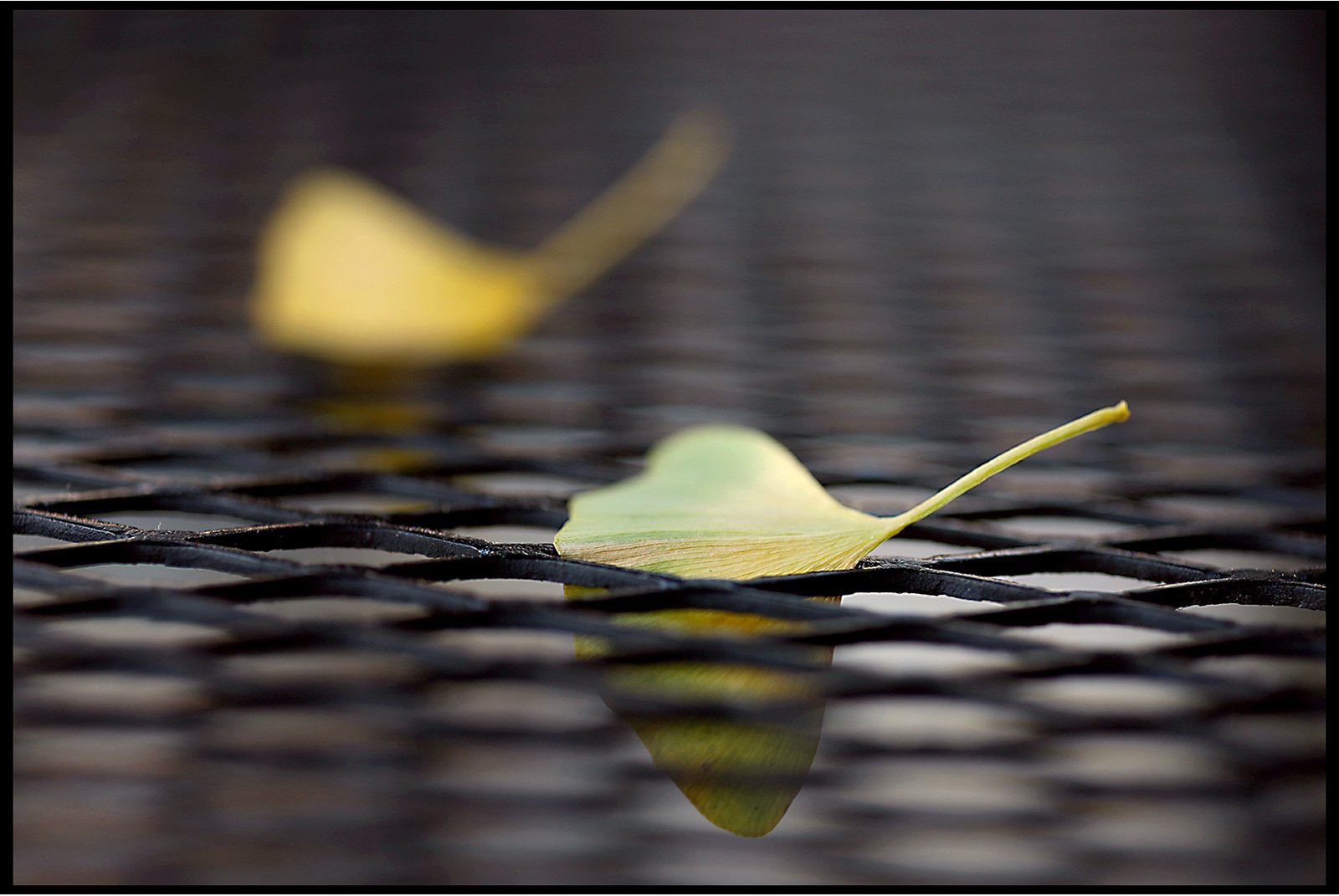
“Two Gingkoes in a Table ” Aiken, SC, November 2025
These blogs average about 1,500 words each week. I spend about 2-3 hours a week writing, another hour editing, and another 2-3 hours doing the photos and putting it together. Five to seven hours total. My schedule is to work on these every Thursday and Sunday morning. That’s it. And by the end of the year, I might have 75,000 words or more, a whole bunch of blog posts, a couple hundred posted photos and maybe some new ideas for me to explore.
So, again, it’s not about the volume, it’s about the consistency of setting aside the time to focus on this one thing. On those mornings, that’s all I am doing. By putting everything else outside the door of my office, I minimize the distractions and I become much more open to the creative process. This consistent scheduling allows everything else to fall away, and I can become much more present at the moment. And usually this opens me up to more creative ideas that can flow around me and through me.
Thank you and keep creating what you do.
Patrick Krohn
August 2026
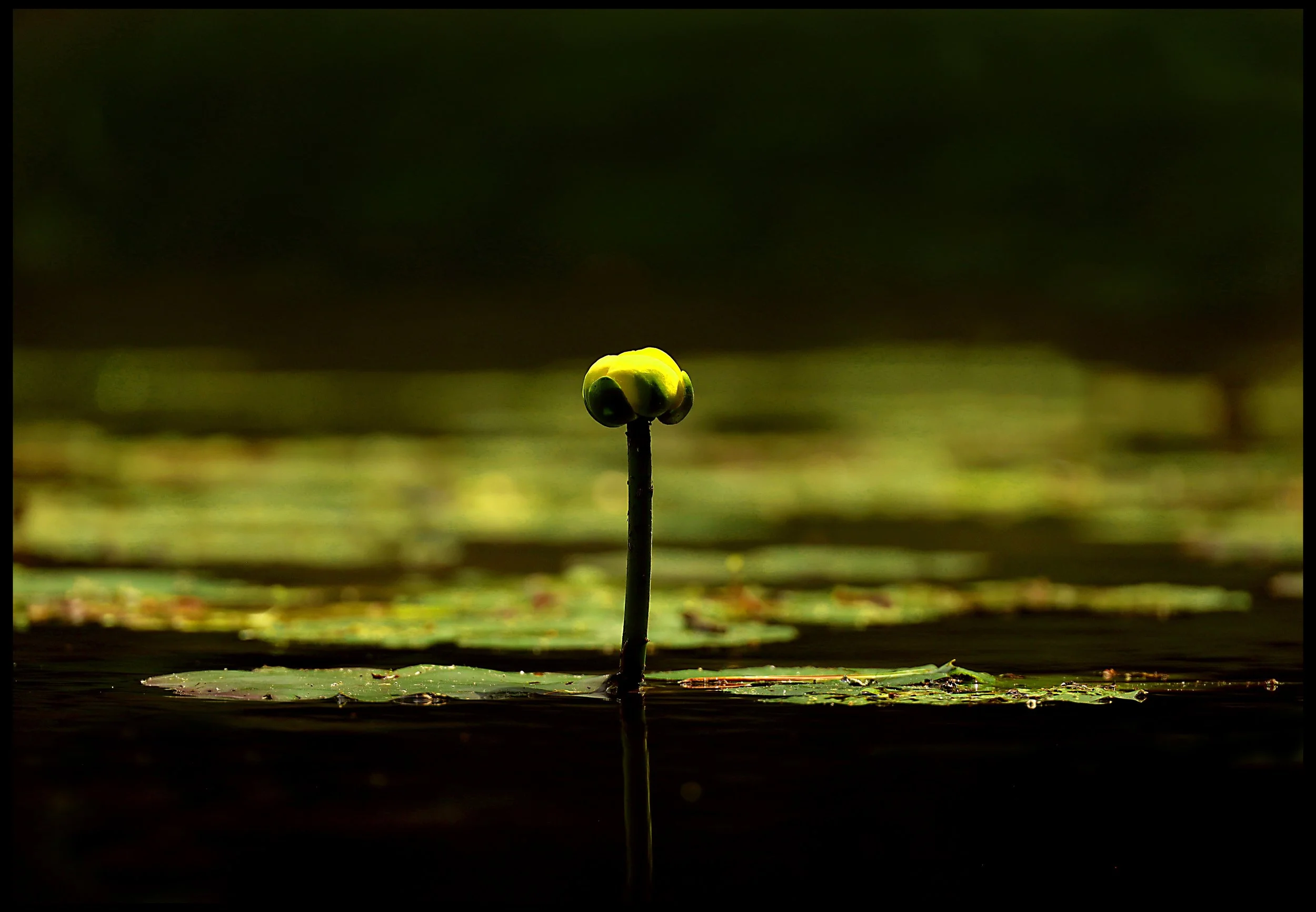
“Potential” Poinsette State Park, May 2026
The downside for me on spending more of my time writing, is that I spend a lot less time producing and editing my photo work. But that is the trade off I am willing to do right now. When I was doing triathlons, there was the adage that you put more time and effort into the area you are weakest at. You put the others on autopilot for a bit, to strengthen that weak one. I’ve always been a strong swimmer, so I would work on that less while I put the time into biking or running. In that same way, I’m willing to do that to my photography for the moment, as I strengthen my writing. I have a growing back catalog of photo images I have not taken the time to process and publish. Part of that is spending more time writing, but part of it is I am not as good about scheduling my photo time as I use to. The other side of my personal triathlon is getting back into better physical shape overall. I am trying to be more consistent with my workouts, so again the photo side is put lower on the priorities.
Scheduling consistently doesn’t always have to be daily or weekly or monthly. But it does need to be consistent. There are two ways I have seen this work that don’t seem consistent at first, but they are. For me personally, I try to make sure when I take a day off from work, I know I will spend that day out photographing. I may not know exactly what I will photograph, but I do schedule that day to photograph. I have produced some of my better photos on those days, because it is scheduled and I concentrate only on photography. Nothing else.
And I’ve heard of an interesting way that some stay-at-home moms and dads have scheduled their times. They know they have more productive and creative times of the year – say spring and fall. They will coordinate with their partner and the rest of their family a way to take care of the kids while they spend 3-4 weeks twice a year out photographing. That likely will be the bulk of their photo time for the whole year, but it is scheduled and it is consistent. This might be similar to those authors who seclude themselves for two months of the year to write their novel. The rest of the year they do other things, but those two months are set aside for just that book.
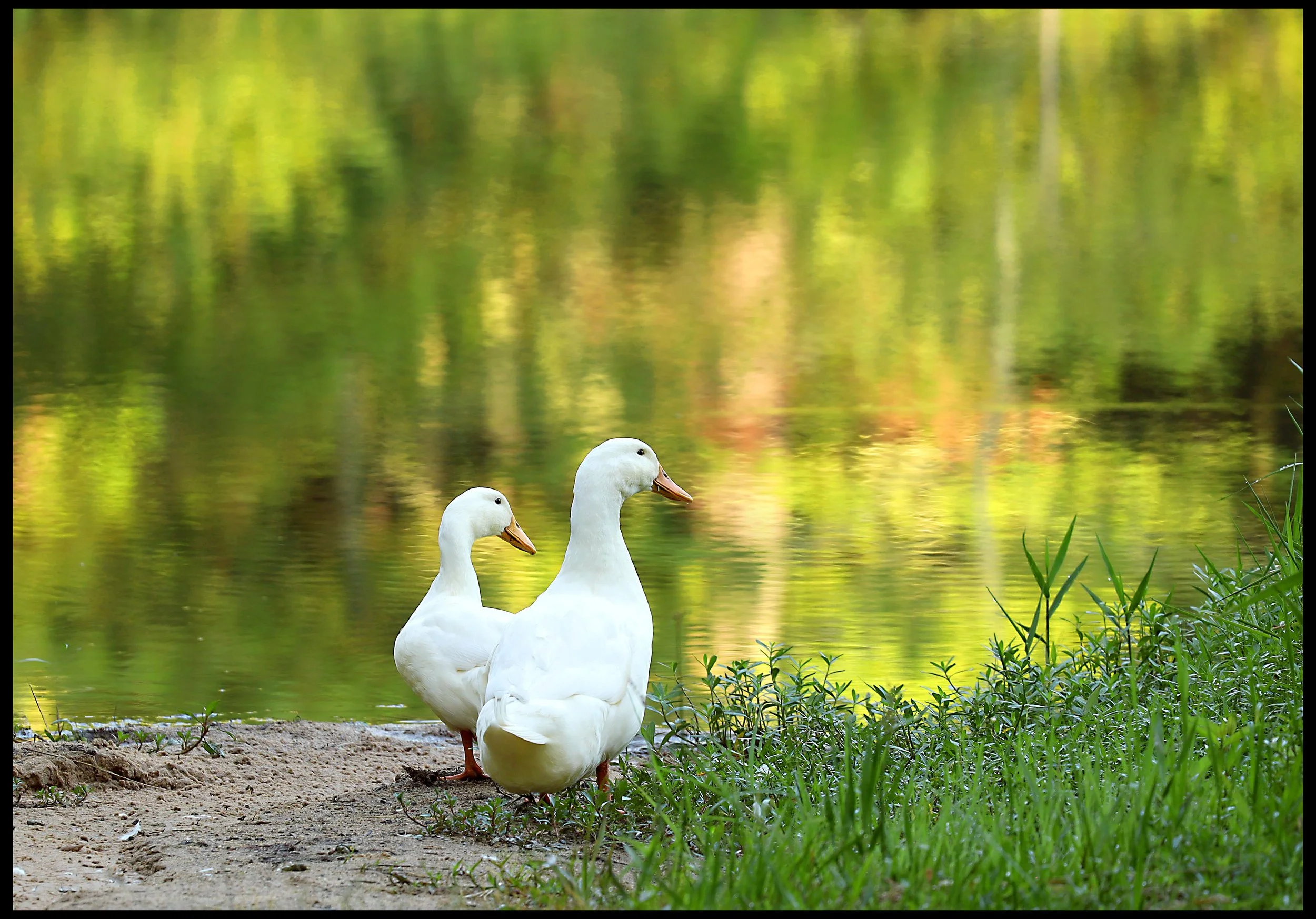
“Ducks at Boyd Pond” Aiken County, SC, July 2025
Hopefully you are starting to see the case for scheduling your creative time. Though, what about scheduling in other parts of our lives? There is also reluctance to the idea of having a schedule when it comes to the romantic relationships in our lives. The argument goes, if you schedule your time together, it will take away the spontaneity and romance. For sure, I was someone who thought that as well. Though, so often I hear from couples that have strong committed relationships, they have a date night. At least one night a week where they spend the time together. Putting away the other daily distractions to focus on their partner and their relationship.
For a long time, I had no interest in a “date night” with my wife. That was before I heard a friend talk about being so committed to his date night with his partner that he described it as something sacred to them. In fact, it was so important to him, that as we were trying to schedule a church event, he said, if it was on his date night, he would not be able to make it. And he was one of the main organizers of the event. That’s how important that weekly evening was to his relationship.
His commitment got me thinking about starting something like that with my wife. Our weekly date night doesn’t take away from any of the romance, spontaneity or creativity in our relationship any other time, it keeps adding to it. We know that if we are having a busy and difficult week, we don’t need to stress if we don’t get to see each other very much during a particular week, we have our date night to look forward to. We know we will catch up and spend time together then. And as far as creativity, each week is something different. Sometimes we spend the evening sitting on the back deck talking. Another week, we might watch a movie. Most of the nights we come up with something fun and new to cook together. And even one night we burned pizza together in our new stove.
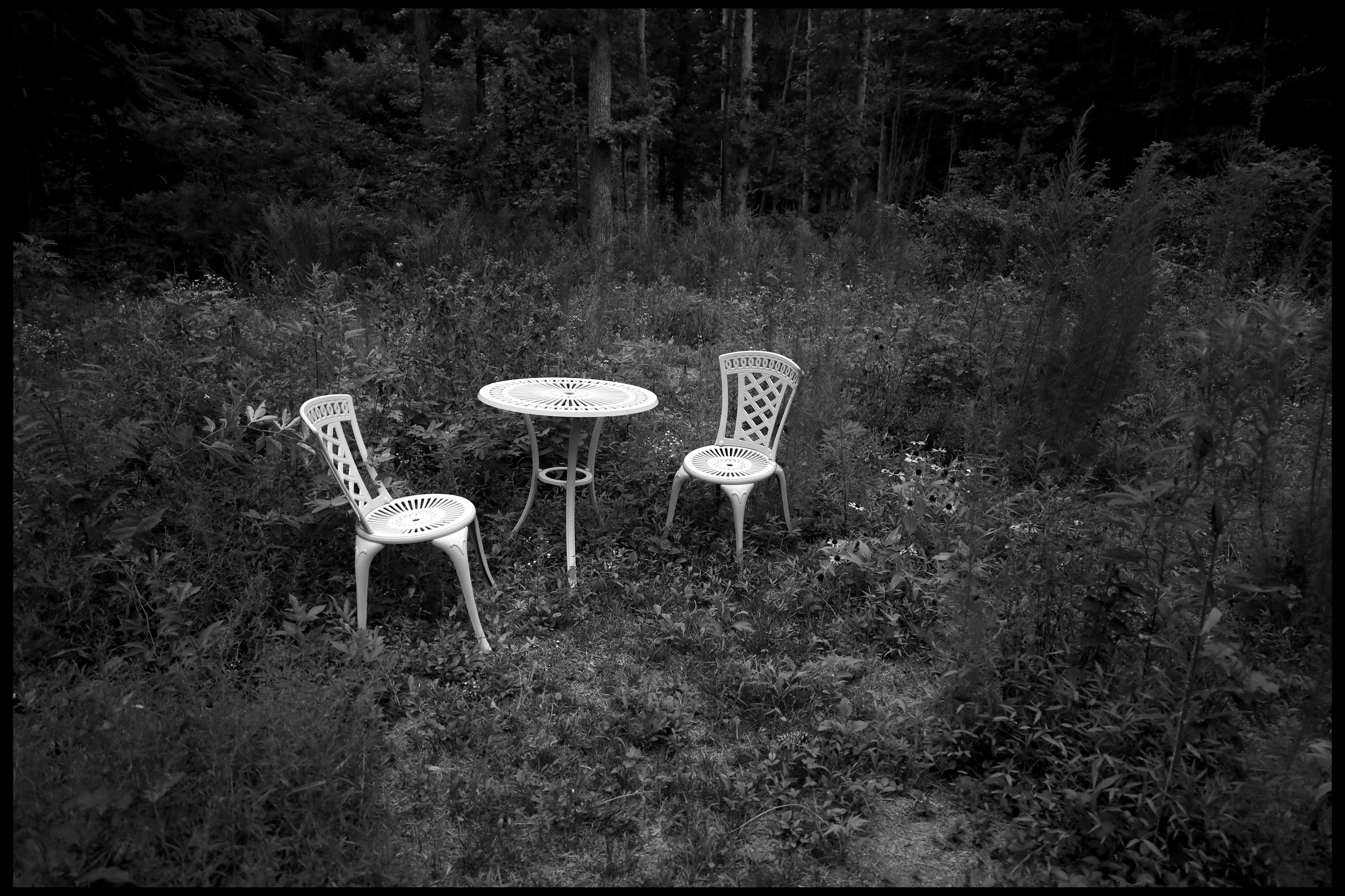
“When All Else Falls Away” Hillsborough, NC, July 2026
The important part is we are spending it together and putting aside the rest of our lives to be with each other. If my friend hadn’t talk so passionately about the importance of scheduling that time together, it would have been so easy to find excuses to spend the time always doing our own things. And over time drifting more towards those other pursuits and drifting away from each other.
That’s what I hope we can start seeing: what we schedule our time doing is what’s important to us. Some of that scheduling is accidental – the endless scrolling on the phone, or the flipping of channels looking for something to watch. Though, the more of it we actively schedule, the more of it we will control. And, interestingly, the more of the time we control consciously, the more creative we can become inside that time.
What I think people lose track about creativity is that it’s about structure. It’s about discipline. It’s about making the time to be consistent. It’s about showing up. It’s about scheduling. How else do you expect to find your vision and your voice if you don’t schedule time to look for it, discover it, and cultivate it?
My challenge this week is to find a time to consistently schedule your creativity. Be it once a day or once a week. Make it the same time, and don’t make excuses.