Tearing You Down vs. Building You Up
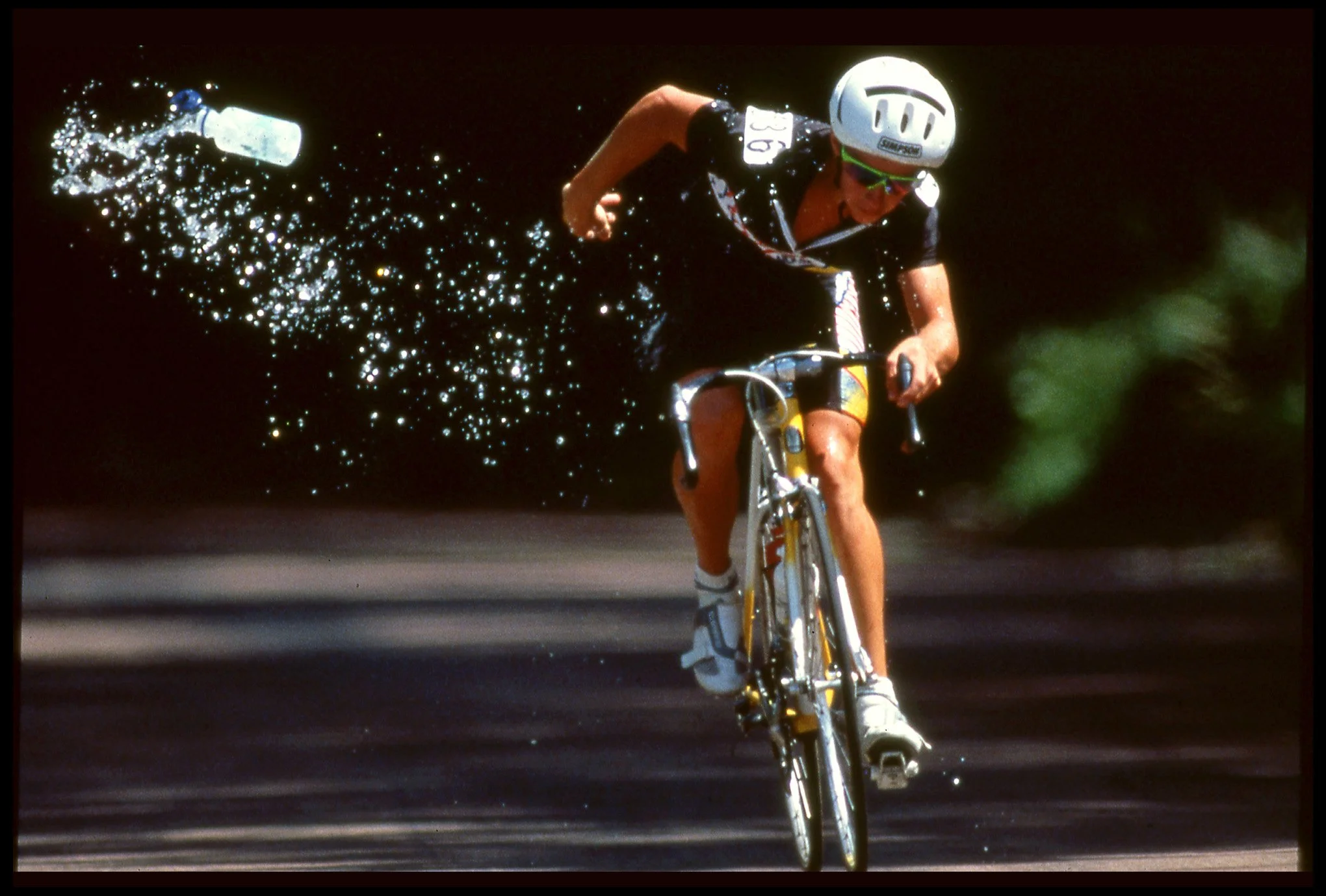
“No Water Today” From the Sports Photography Workshop Summer 1990
Hello Friend,
I was attending an online photo conference for Out of Chicago recently. Over the course of the three days, I was continually reminded about how much photography workshops and the people who teach them have changed since I started as a photojournalist in the 1990’s.
As a student at the University of Missouri, I was fortunate enough to be involved with one of the most respected photojournalism workshops: Missouri Photo Workshop. It was the MPW and two other workshops I interned at that I’d like to contrast with how photography workshops have changed since those days.
The attendees of the MPW were typically younger/newer photojournalists with maybe a couple of mid-career people in the mix. They would find a photo story in a small Missouri town the workshop planted in that year. As a student grunt at the workshop, my job was to process the film and print the images for the attendees to display for that evening’s critique. Though, critique is a kind word for what it was. The week was much more like a bootcamp.
The faculty, mostly made up of top photographers and editors, spent much of each evening’s critique session telling the attendees their photos were never good enough – and thus, they weren’t good enough – and to go out and get better. There was often an informal pool among us Missouri students on what day we would see the first attendee breakdown – usually by Wednesday. And often it was more than one by Thursday as the pressure built to prove they could actually take good photos and create a strong story in less than a week.
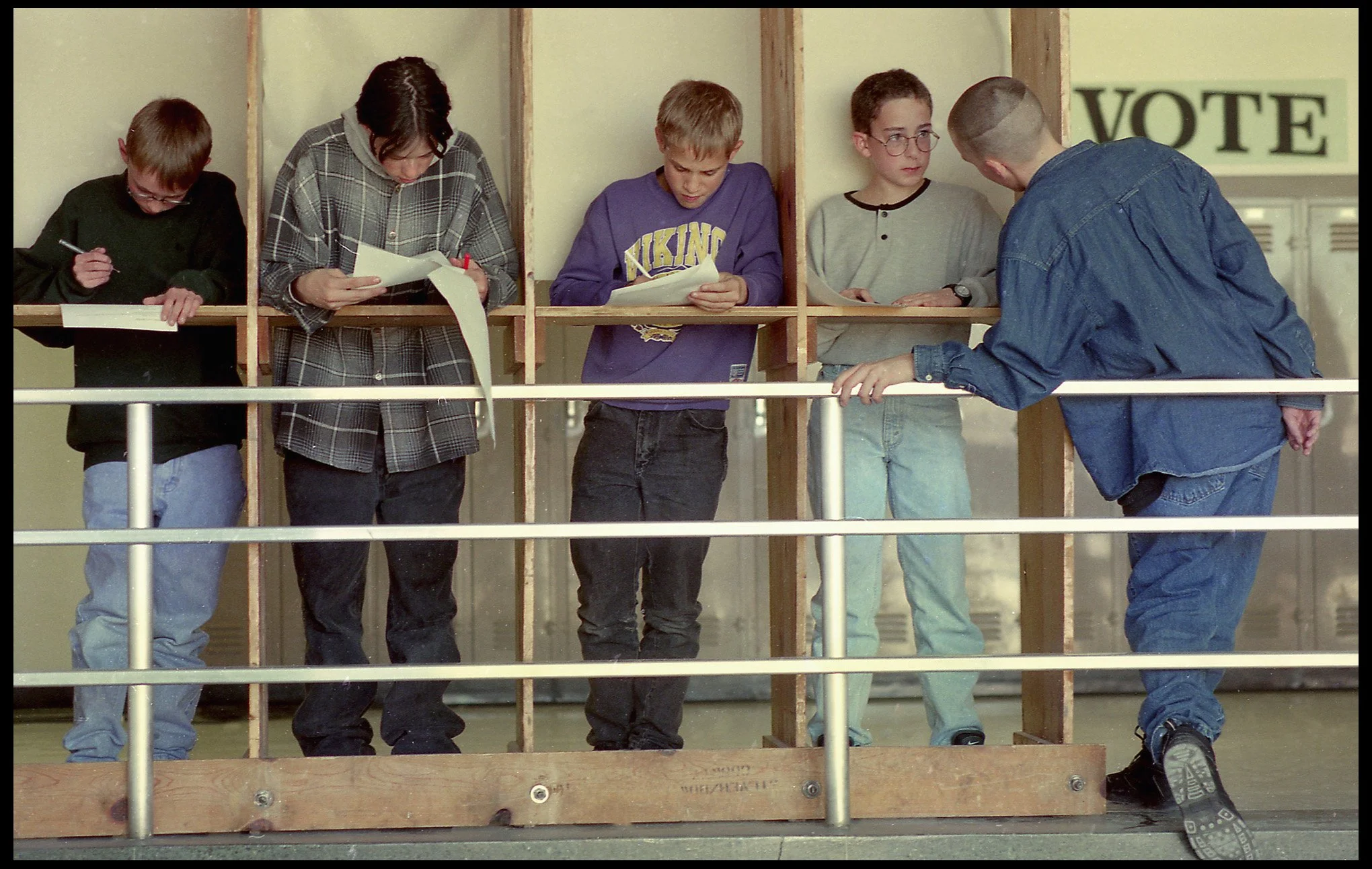
“Influencing the Vote” November 1996
Maybe the faculty thought they were doing the right thing for them by trying to tear down the attendees in the misguided notion that doing this would help build them back better. Whatever doesn’t kill you makes you makes you stronger type thing. Photojournalism is not an easy career, and a certain amount of toughness is needed. To some extent, I think that was the philosophy of the workshop. Though, I don’t know if the faculty were playing a role, or if they were naturally just that way.
My other workshop experience was the summer of 1990 after my graduation from school. I was lucky enough to land an internship with a respected photographer and editor to help out in his workshops. One was taught by some of the best sports photographers from newspapers and magazines – like Sports Illustrated. The other was another documentary-type workshop with a faculty of freelancers and editors mostly from National Geographic. Basically, the best of the best of that time. What was so striking to me as 20-something photographer, was the attitude of almost all of them. Unless you were producing at their level – or they saw in you that you might get there – you really were not worthy of too much of their time and attention. Mostly, they would much rather hangout and talk among themselves than interact too with the people that paid to be there. (This was something I did comment about at the time and have talked about a lot since.)
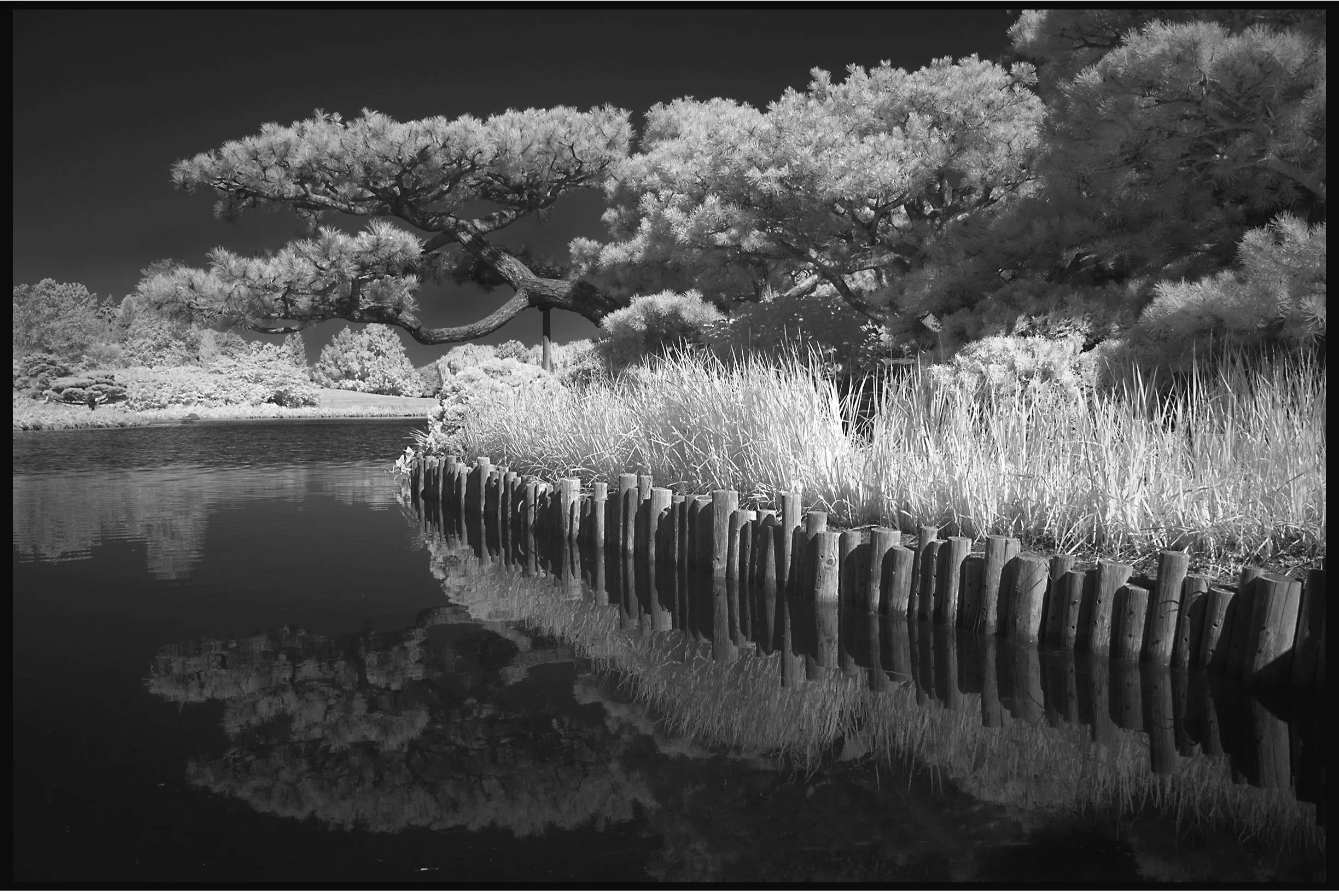
“Japanese Garden in Infrared”. OOC instructor Tony Sweet let me borrow his IR camera during the Out of Chicago Botanic August 2025.
Honestly, I think this was the attitude of most photographers around this time, no matter their field. Photography was still expensive, not very common and a little mysterious – especially if you processed and printed your own work. You were either a “Pro” or you took vacation snapshots. And inside the journalism world, you were either working for National Geographic/Sports Illustrated, you were aspiring to work for them, or you were a nobody. I put in 10 really good years as a photojournalist and editor. When I left the field in 2000, this wasn’t the main reason for going, but it was a reason. The photo attitude was still very much there.
I am somewhat glad I missed those chaotic early years as digital came on and “everyone” became a photographer. Though, it was also the rise of sharing more photographic information and a change in attitude towards teaching photography. People like Chase Jarvis started putting out his photo knowledge widely – to the consternation of the “old guard” photographers – and the start of the YouTubers and the wider dissemination of photography skills and info.
It wasn’t until 2023 that I attended any type of workshop again. It was that year’s Out of Chicago Live, and I wasn’t sure what to expect. I had been following a few of the people presenting, and they seemed like “real people”. Though, I didn’t know if I would see more of the “look how cool and great I am” attitude of the instructors I knew from the past. To try and get the most out of the weekend, I decided to also put a proposal in for doing the “Attendee Takeover.” I was surprised my idea of presenting photos I’d taken on my commute to work was accepted. I was very nervous and stressed. I was getting the sense people would be supportive, but, until I saw the comments during the presentations, did I give a sigh of relief I did not walk into a lion’s den of criticism. Even many of the instructors, who did not have to listen in, left encouraging messages. Thank fully, I found that all the instructors I have run across these past few years have been real people and more than willing to share their knowledge and build up the people around them.
Patrick Krohn
February 2026
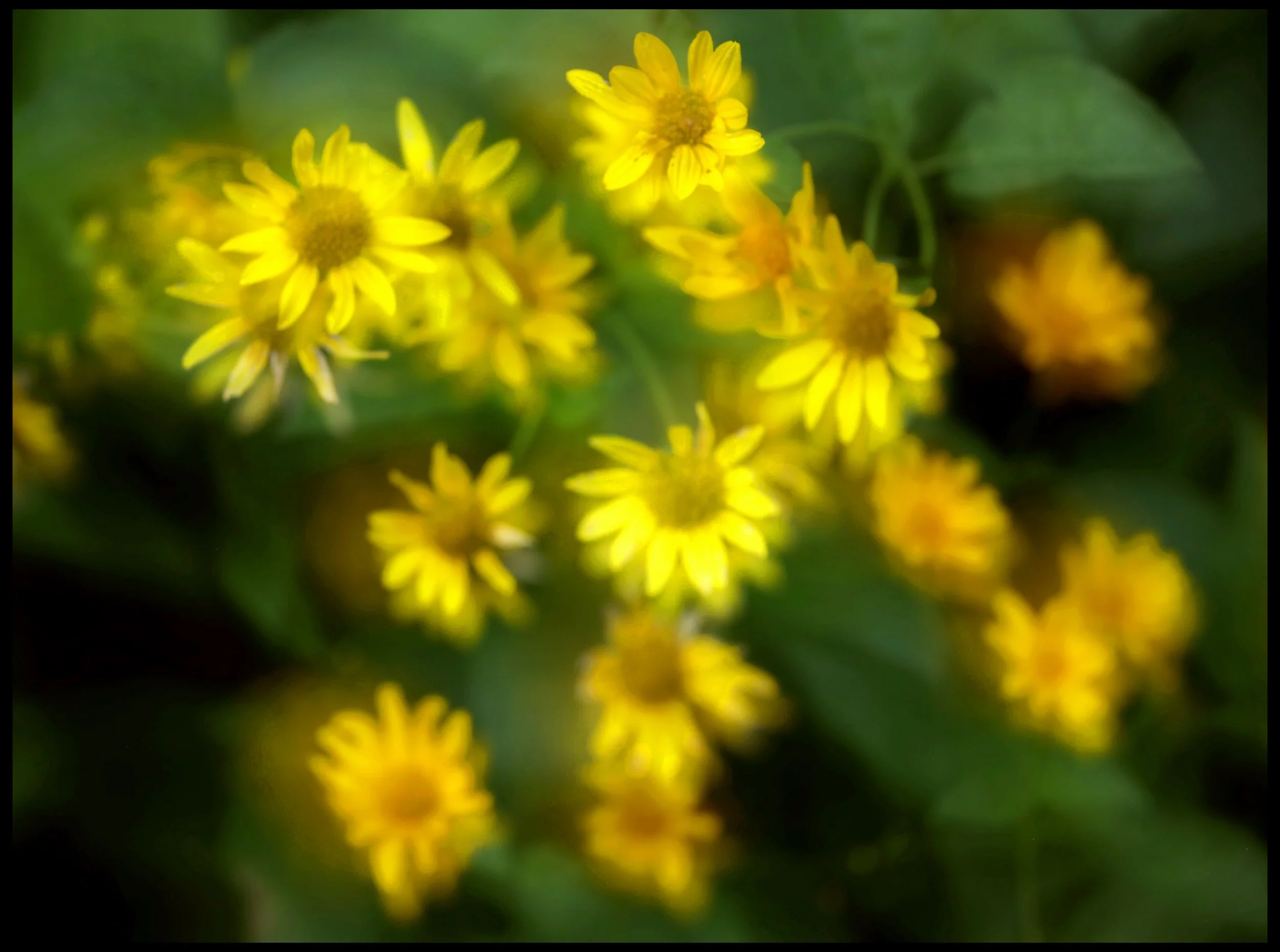
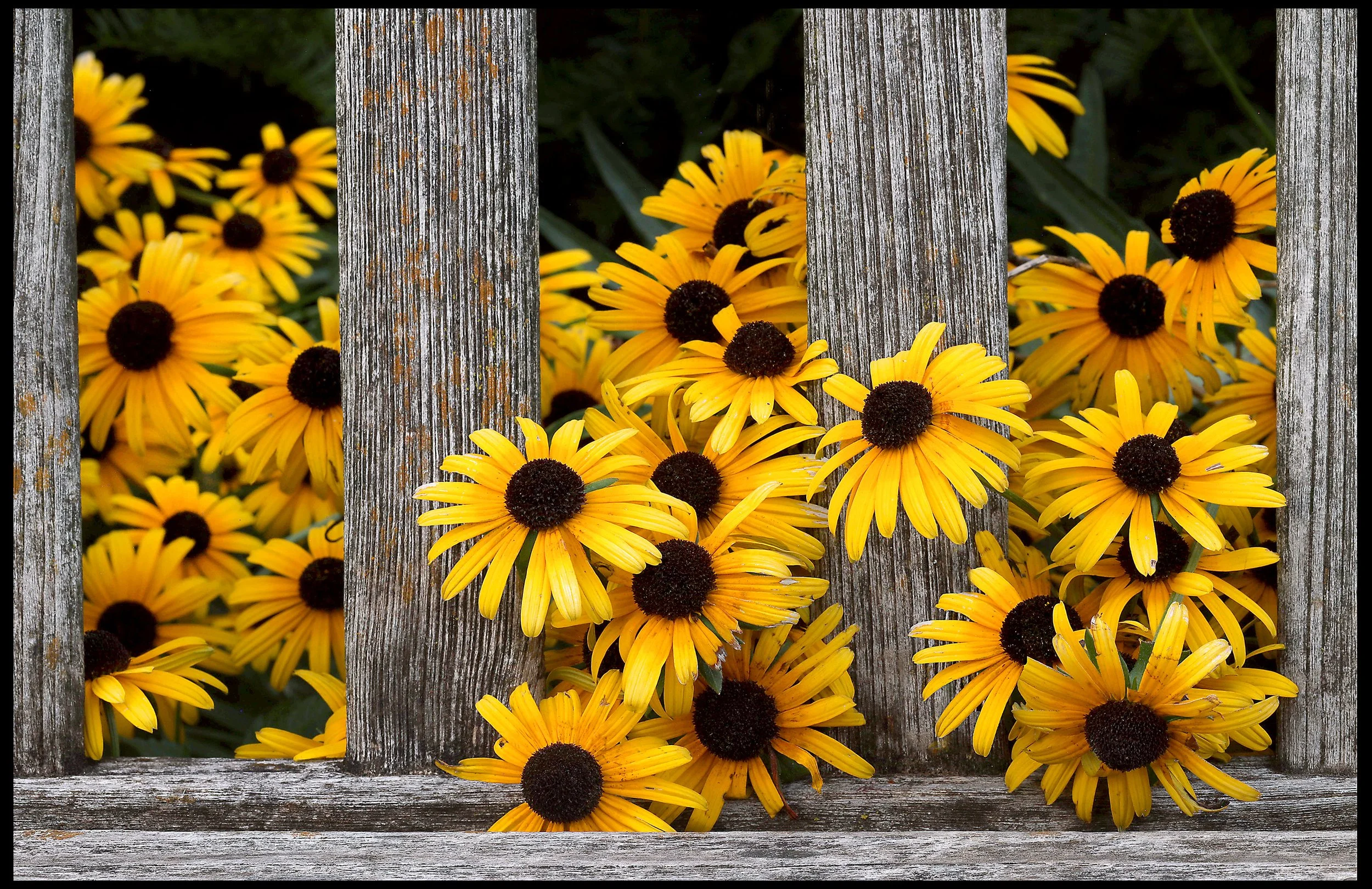
“The Crowd at the Daisey Bench” at Out of Chicago Botanic August 2025.
Interestingly, as I was looking up info about the Missouri Photo Workshop, I saw that the attitude might have changed with the times. This is from their site: “Photographers of all experience levels should apply. The faculty meet you where you are in your career and lift you up. Naturally, you should be open to growth. Expect to be pushed out of your comfort zone.”
Not everyone wants to push themselves – or get pushed. But I do think all of us want to get better in some way, otherwise I don’t think we would attend any workshops. We want an honest assessment and not a shove to get us out of our comfort zones. And what I see from the instructors I have been around nowadays – and what I hope to aspire to when I instruct – is an ability to walk that line of support and the push. And just as likely, I see them pushing themselves and each other as well.
My challenge for this week, is to see who is supporting us, who is challenging us to be better, and who is tearing us down. Sometimes one person can be doing all three. And sometimes that one person might even be ourselves. (More on this in a future post.)
Thank you, and keep creating what you do.
Multiple exposure of flowers in the Native Plant Garden at the Chicago Botanic Garden August 2025. Instructor Beth Young lent me her long lens to experiment with.
The first weekend of February this year, I was attending my fourth OOC Live, and doing another Attendee Takeover. It’s not the support I saw for me that has me writing this week’s blog, but for the attendees that put together some very personal and vulnerable presentations. Presentations that back in the 1990’s might have been picked apart for one reason or another in an attempt to tear down the photographer – and maybe try to build them back up. Instead, I saw people lifting each other up and giving them the encouragement for having moved out of their comfort zones and being vulnerable. Yes, pushing our boundaries is difficult and unsettling, though, it’s much easier to push those boundaries knowing others are there to help you build.
It got me thinking: How many of these 2026 attendees who presented and watched will now push themselves a little more next time? How many will try something new that scares them a little – heck maybe a lot? I know how I would have reacted if I would have been met with silence or harsh criticism. Would I have ever put myself out there again? Not likely.
Though, back in the 1980’s & 90’s – and likely before – the photojournalism world seemed to be set up just like that. I heard it directed at me and towards many others. We were often told, “Your work is OK. But if you really want to get somewhere, I need tear you down, so I can build you up like I think you should be.” I wonder how many people came out of the workshops of the time feeling less than. That they were likely in the wrong career and might be better off moving on to something else. Maybe some people took it for what it was, constructive criticism that was to drive them to do more. That they had more potential, if they were just willing to push themselves.