“You Have Talent” Might Not be the Complement You Think it is.
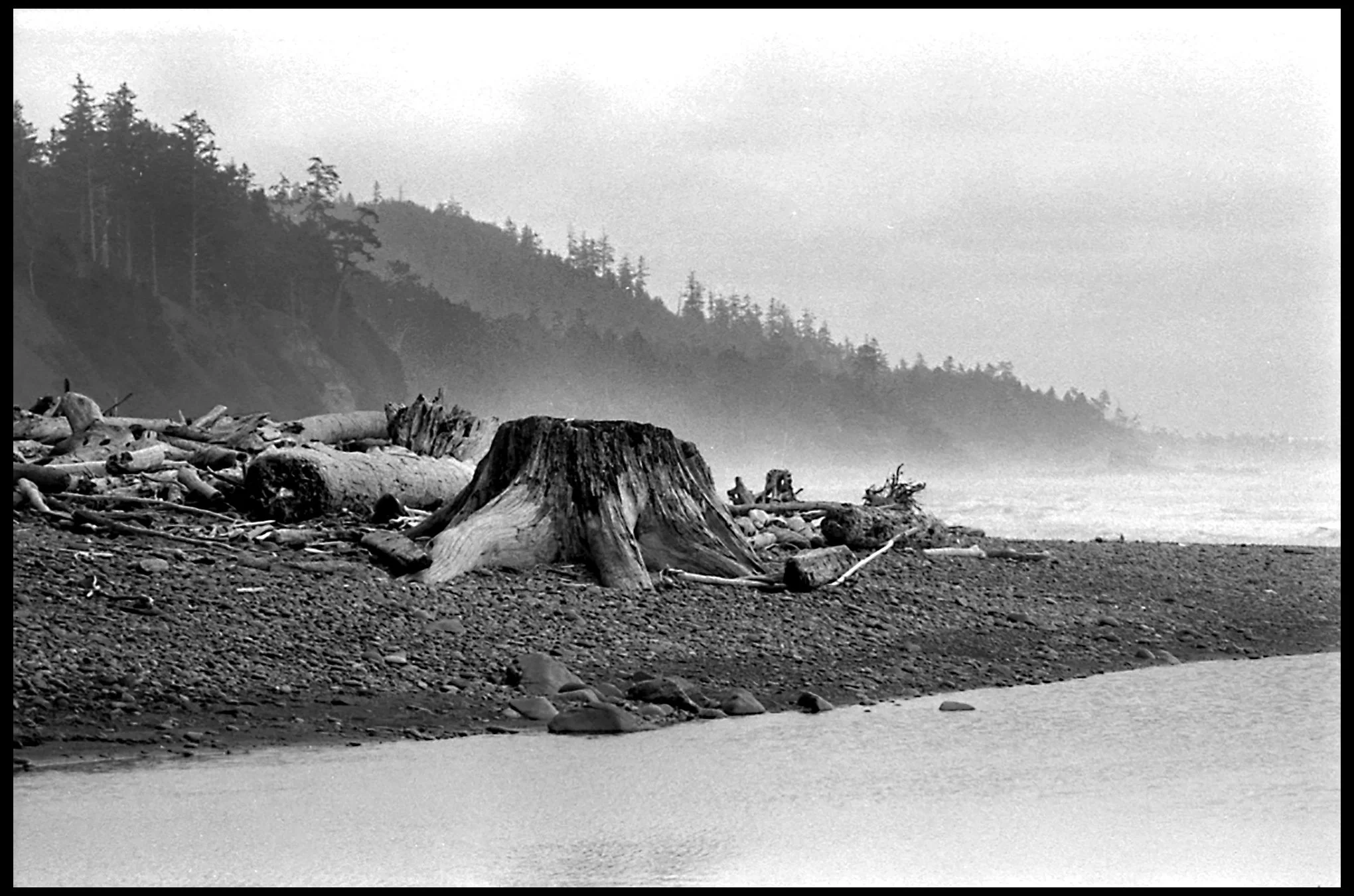
Washington coast May 1992
Hello Friend,
I hear these words often. Though, they usually are directed at children. Such as, “That kid sure has a talent for soccer.” Or “My child has a talent for art/math/science/music.” Or the one we have all heard from well-meaning friends and family, “You sure are letting your talent waste away doing ‘that’.”
In that last statement, ‘that’ could be you are doing something you want to do, but the speaker thinks your efforts would be better served elsewhere. Or that they thought you are not living up to their expectations of where they thought your talent would take you. Or, not so good, “Why do you want to do that? You don’t have any talent for it.”
But what is talent? When does it stop being a talent and start being a skill? And lastly: Can you live on talent alone?
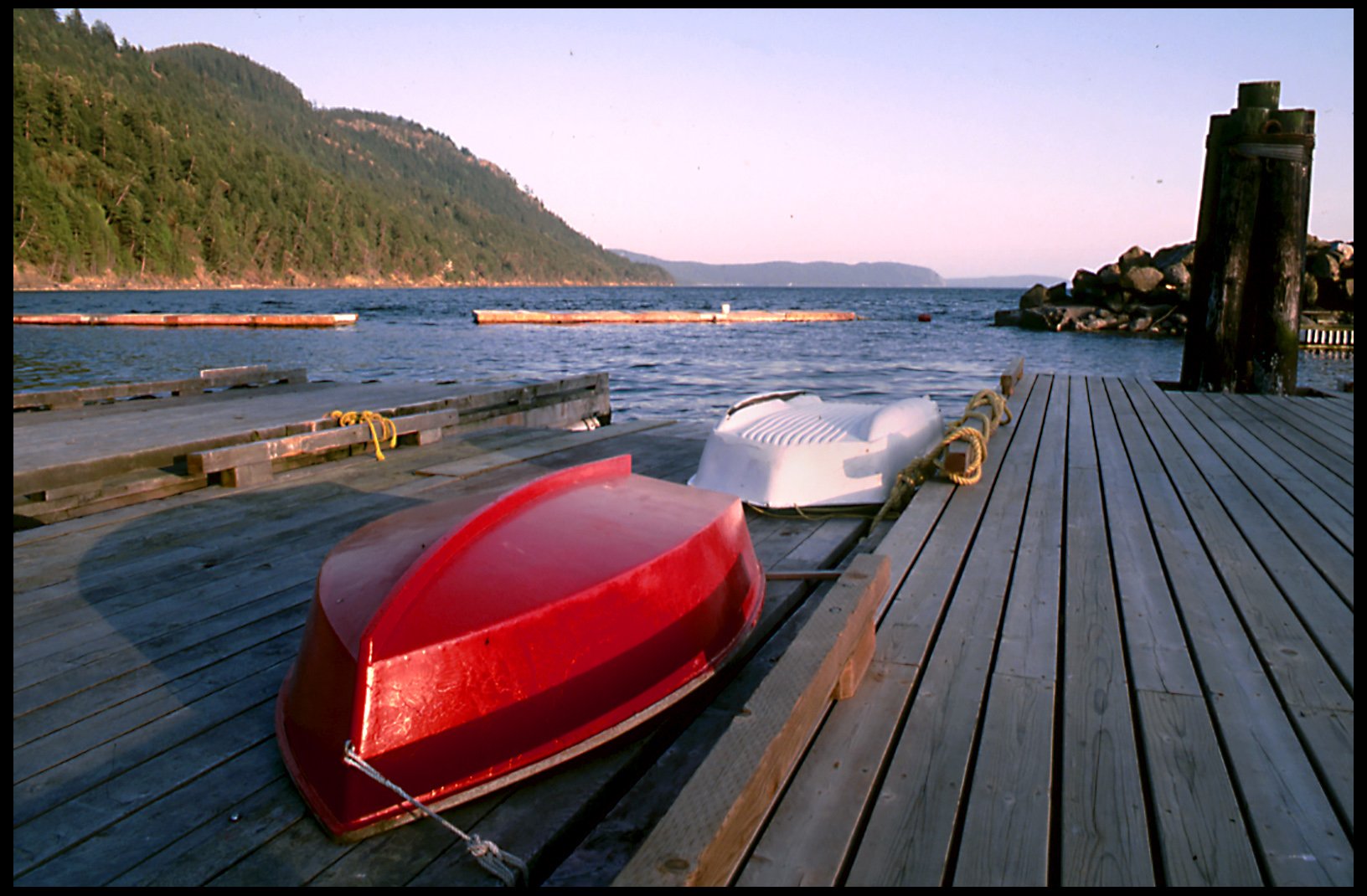
Boats San Juan Islands, Washington. May 1993
I think most people agree that a “talent” is something that maybe you were born with or an aptitude that seems to come easily to you. Maybe you can just see chess moves. Maybe you have a natural grace when you run or dance. I think of talent as that little nudge nature gave us toward a certain field or endeavor.
I think it’s that nudge or slight edge in something that often gets over blown in peoples’ minds. We start to see that person doing well, and think it must all be talent. And we start to say things like, “You have so much talent, you don’t have to work at it at all.” Or, “Your talent makes it looks so easy and effortless.” We are usually well-meaning and saying it as a complement trying to the person. Though, when in fact we are starting to undermine them just a little, because we don’t see all the hard work they have been doing behind the scenes. *
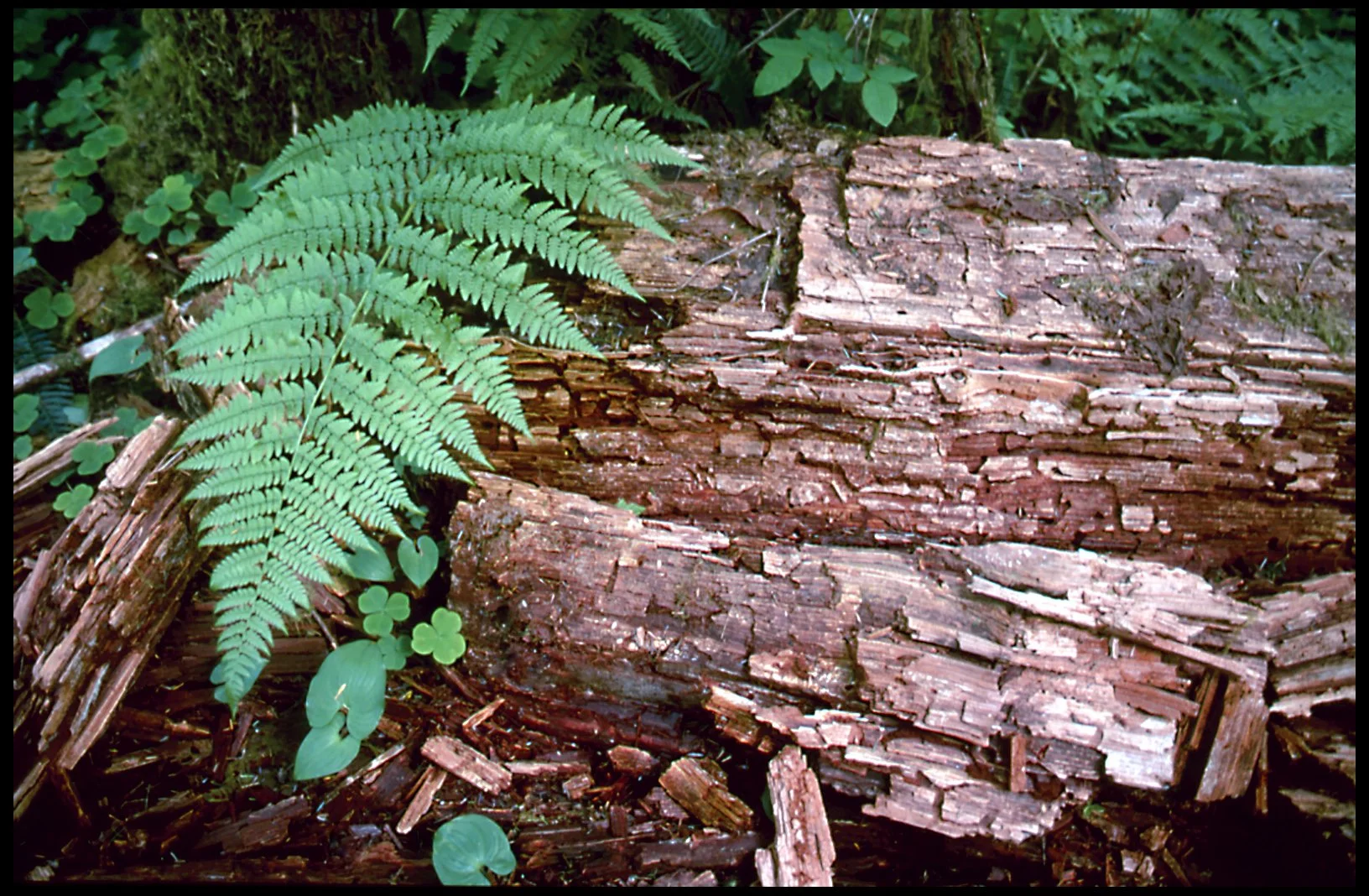
Fern in Quinault Rain Forest Washington. May 1992
No matter how much time or effort was put into their field, a person – again likely a child – starts to think maybe they don’t have to work so hard, because, hey, “I’ve got a lot of talent.” And, “It all just comes so easily to me.” What might start to happen here? They stop working at it, they stop trying to improve. It will just come to them because of their talent, right?
Then, when the struggles happen – and they will – the doubts start to kick in. Maybe they aren’t as talented/special as they thought. If they haven built up the habits of a daily practice to get better and learn new things, they stagnate. Or, the worst thing to happen, they quit.
As we mature, we see a little better that what we start with, is just that, a starting point. It’s not the only thing we have to work with. We begin to read up on the pioneers and heroes in the field. We watch YouTube videos that show us new ways of doing things. We try new things and experiment to see what the results might be.
Patrick Krohn
February 2026
*P.S. To all my friends and family who have ever said “you have such a talent” to me, I never took it as a backhanded compliment. And always took it for what was intended, an appreciation for what I have produced and how I have produced it. Thank you for your love and support.
About the photos in this post: As you’ll notice from the dates, these were when I was early on in my photo career, and long before I considered myself a landscape photographer. As you can see, at that point, I was just relying on my talent to get me through. 😉
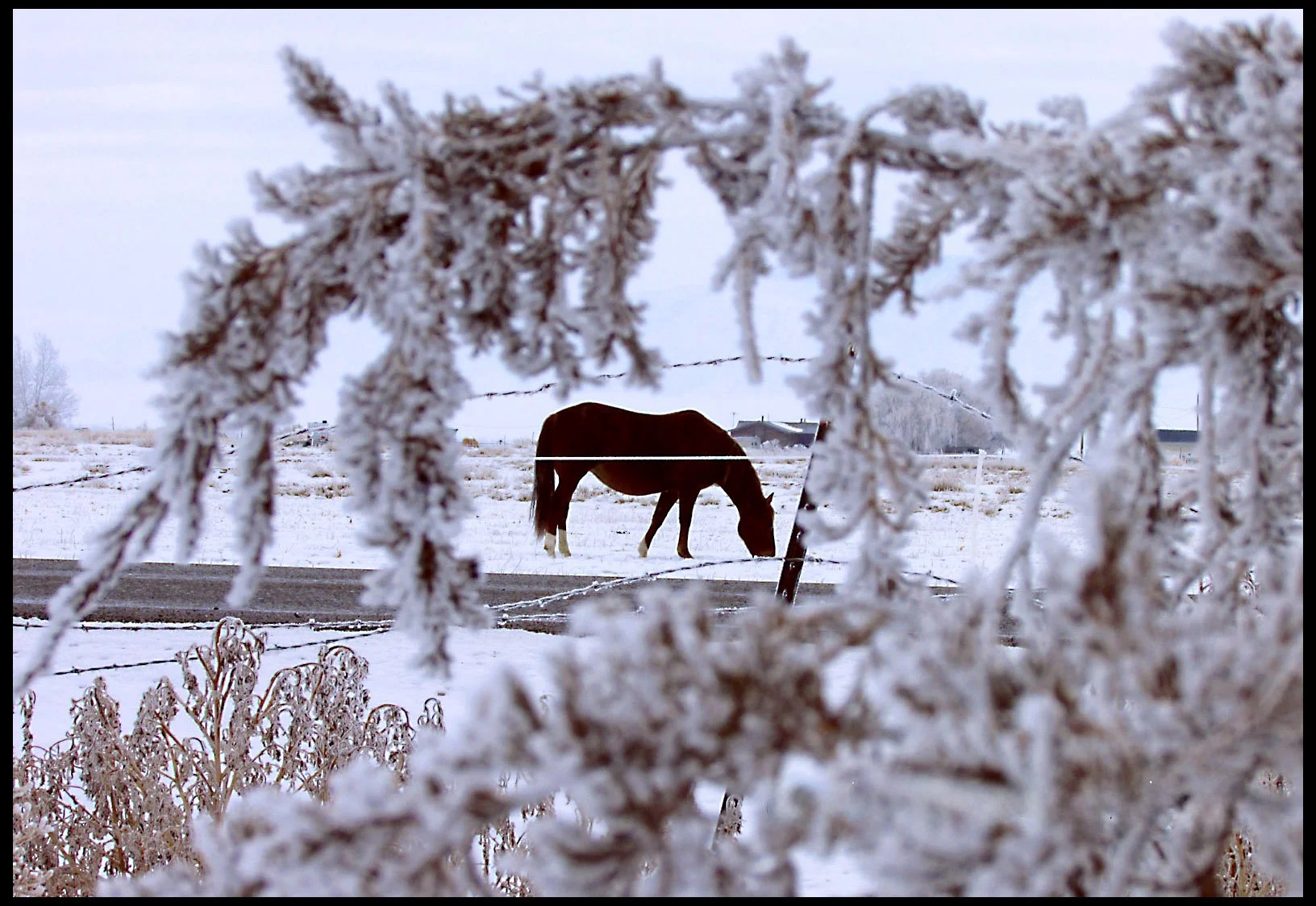
Horse in a snowy field in Utah December 2013
When you see some person doing something amazing, instead of complimenting them on their talent, you might want to say, “You must have worked very hard to get so good at what you are doing.” Because, who’s to say, what looks like a teen-aged prodigy, hasn’t already put in many years of hard work to get where they are.
My challenge for all of us is to look past talent – in others and in ourselves – and look to the skills needed to improve at what it is we love.
Thank you, and keep creating what you do.
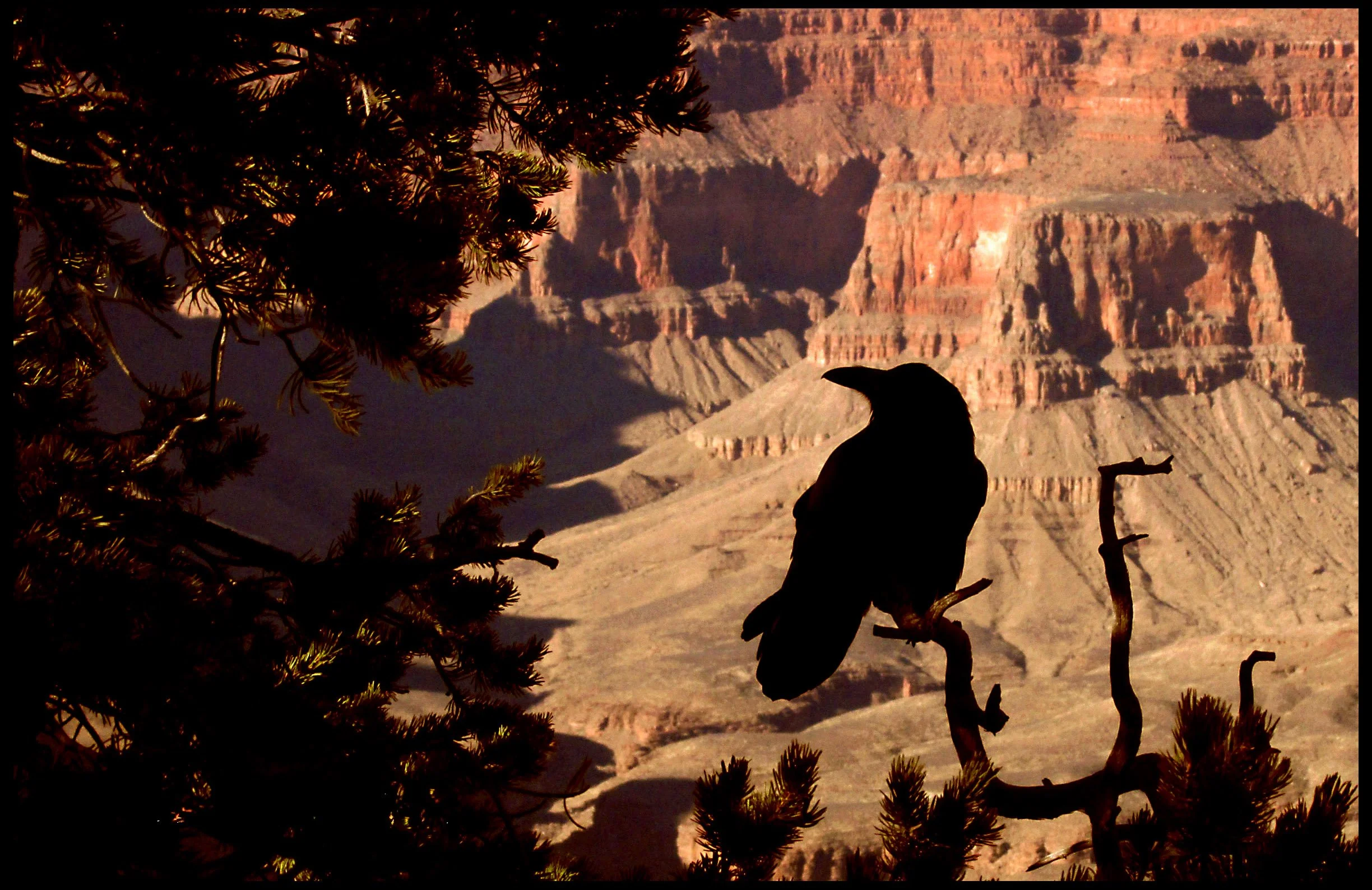
Crow at Grand Canyon. December 2013
Through this early practice, we start to move beyond talent and start to acquire some real skills. And even if we are going into a field, or embarking on an endeavor in something we thought we might not have talent for, but we enjoyed and wanted to try, that “lack of talent” won’t hold you back, because your new skills will push you forward. Those skills and a consistent practice are what come together to form a sustainable career. (And I don’t necessarily mean a money-making career.)
I recently came across a photographer in his mid-20’s, who is producing beautiful work, consistently at the top of some of the bigger landscape contests and leading workshops around the world. To see this level of success at such a young age, would lead us to believe his “talent” got him there, and he’s just that much more naturally gifted then the rest of us. Come to find out, with just a little quick digging, he’s actually put in 12-plus years of hard, dedicated work to get to where he is.
Sometimes the “complement” of saying someone has talent to a younger person is a way for an older person who has not had that level of “success” to downplay someone else’s accomplishments.
I’d like to think anyone at any age, demonstrating that level of prowess for whatever they are doing is more because of an inherent love of what they are doing. Early on, they honed in on what brought them joy and fulfillment. They had that self-motivation to get up and put in the hard work to get better.