The First Rule of Creativity…
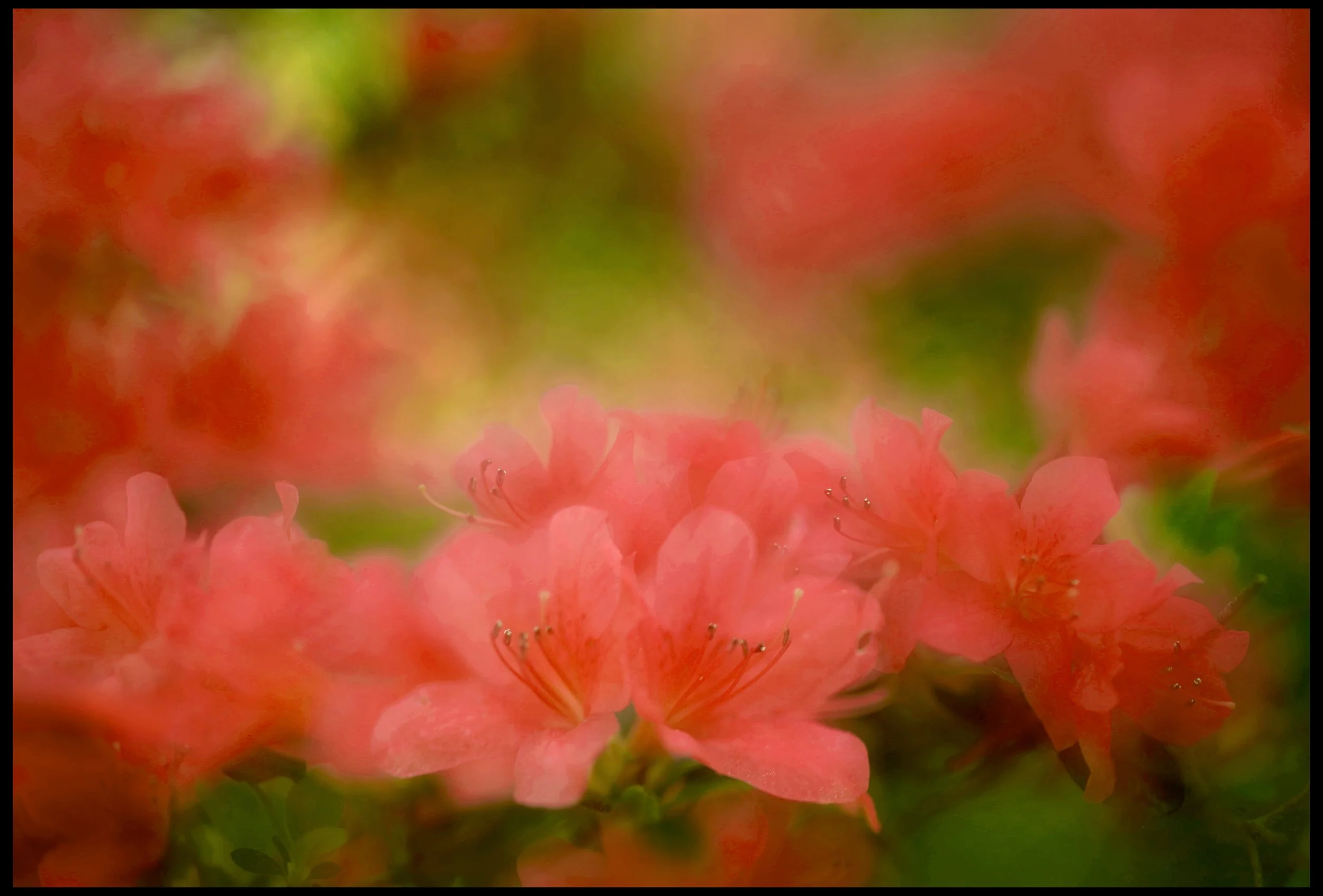
“Dreaming Azaleas” Aiken, SC March 2026
Hello Friend,
When I started to get serous about photography again in 2019, I also knew I wanted to teach it as well. I’ve always wanted to be some type of teacher. When I did martial arts in the 1990’s, my teacher had me leading classes within about six months. At one point I thought I might go back to school to be a teacher at a college – I knew I wasn’t cut out to do anything in the K-12 world. Those people have some skills I do not.
As I was putting together my first photography lesson plan, I worked up an agenda, so I knew what I was going to do. Then I thought, even though this would be for adults, it might be good to have some “rules” like keeping criticism constructive, be respective of everyone’s time, and to ask questions and share answers. At the time, my wife was back in school, so I asked her if there were any classroom rules she could think of that would be helpful. After a short moment of thought, she said, “I think if people like their photo, it’s good.” Boom!
Up to that time, I had not really thought about something like this in this way. To me it was always, of course everyone likes their own photos, but it’s what others think of your work that matters, right? Isn’t that why we put our work out there? Didn’t we want others to tell us how good it is? Then we will know if we are any good, right? But with my wife’s one simple comment, I was rethinking who were the people that could really judge my work. And who am I to judge any of my students’ works? Constructive criticism is one thing: we can all improve in some way. But who should we allow to judge our work as “good or bad”, “worthy or unworthy”? Then it really hit me, no one but the person who made it can really judge it. And I’m not even sure “judge” is the right word here. Is there a better one?
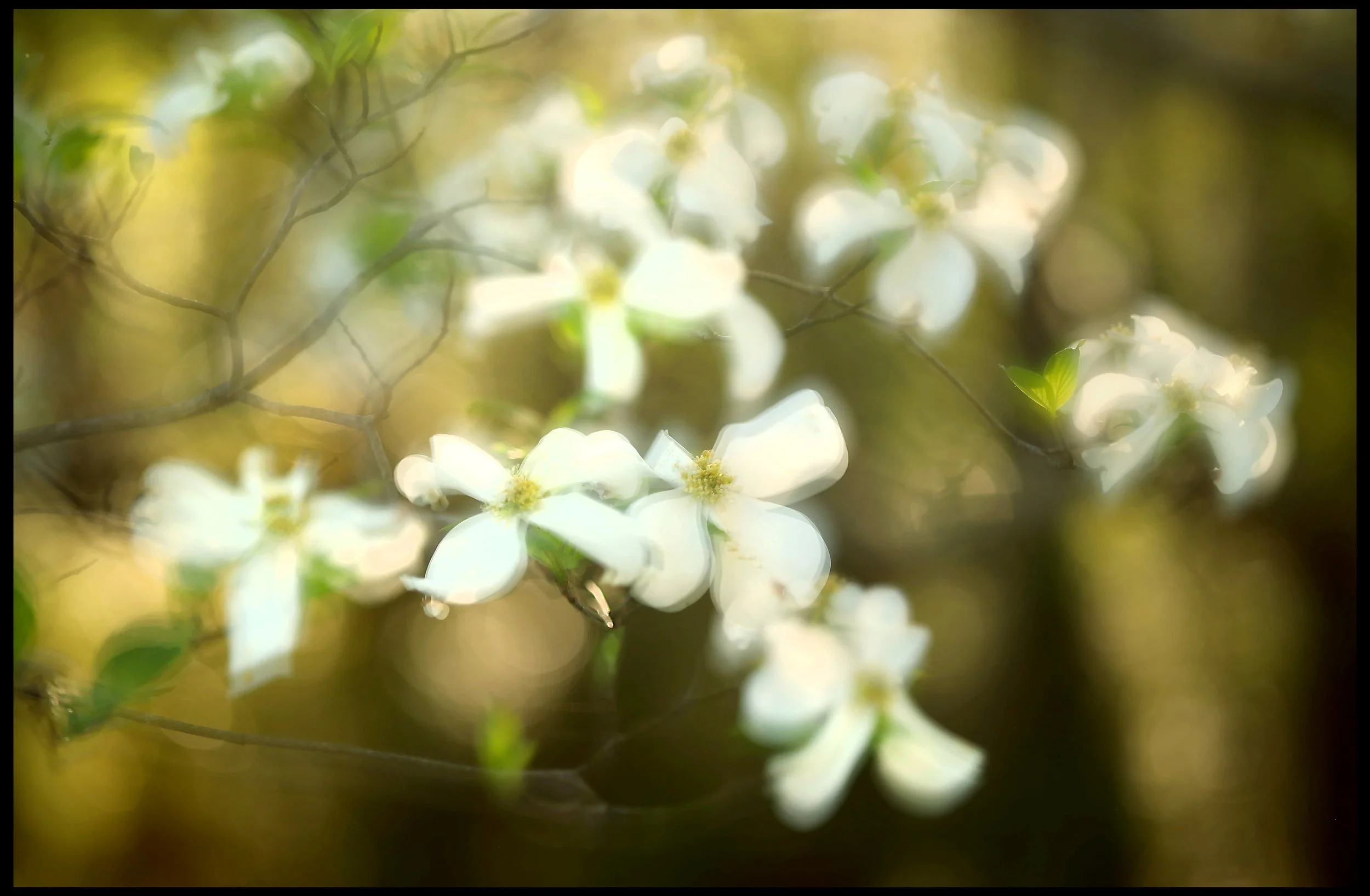
“Dreaming Dogwoods” Aiken, SC March 2026
Let me back up and make this a little broader and restate what I think is the first rule of creativity: “If you like your art/idea, it’s good.” I added idea here because often we are our own worst critic and many of our ideas get shutdown in our own minds before they have even become something. Yes, I know we can all come up with examples of very bad ideas, like when we say later, “It seemed like a good idea at the time.” Or like the best way to get away with a crime. (Side note, I guess if you are writing a crime story, this might be helpful.) But, what I am talking about here are ideas about art and creativity. Ideas that don’t harm others or cause intentional pain in someone else.
I’ve heard so many stories from people who thought about doing a type of art or doing things in a way that seemed good to them, only to have others – or themselves – say: “Why would you do that?” or “No one will like it if you do it that way.” Or “That’s the dumbest idea I’ve ever heard.” How often have you come up with something that only moments later you tell yourself won’t work or is not worth the time? It’s bad enough when we hear it from others, but it’s so much worse when that type of call comes from inside the house, so to speak. It’s not a problem having doubts about something, it’s something else to shut it down completely. If it’s only in your head, let it run its course for a bit. The first idea might be a little too fanciful, but didn’t everything in the world start as someone’s “too fanciful idea”?
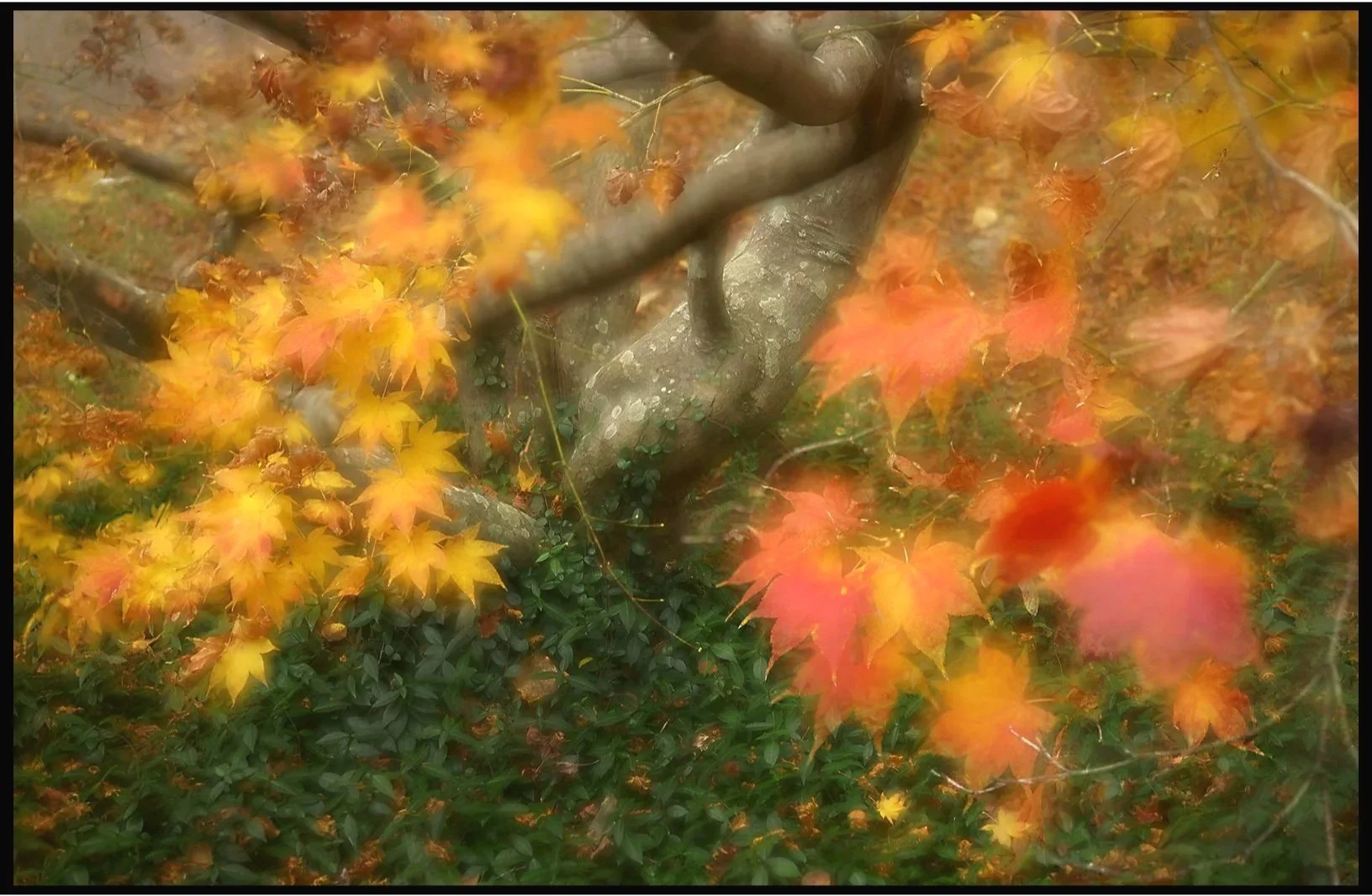
“Dreaming Japanese Maple” Aiken, SC December 2025
When I bring up this rule at the beginning of my classes, I usually see two types of reactions. One is defiant and defensive. They look to be ready to fight anyone who would talk badly about the amazing things they make, because they can do no wrong. The other, and larger, group are those that are timid and already think anything they make is rubbish. They don’t want to share because they know – they know! – everyone will laugh at them and tell them to just go home and give up. Most of my students are older adults, and when I see this reaction, it breaks my heart. And I wonder who has been telling them over and over that what they want to make is not going to be any good. Most often it’s been the people around them, then they internalize it, and thus it becomes true. They carry with them the idea that nothing they create will ever be any good.
So, why then are there art classes of all types filled with people like this? Because they do sense that somewhere in them is a creative being that wants to get out and do its thing. I don’t want my students to think I am the one giving them permission to now be allowed to do what they are drawn to; I want them to see that the outside world and its attitude towards their work is not what matters. It’s them making it, and them wanting to share it that matters. We can not control how the world will react to our work, so we need to take that off the table from the start. (Yes, easier said then done.)
So, I’m sure you are wondering, “Patrick, really, what do you say and do, when that first poorly exposed, out of focus image comes up?” Actually, these are my favorite ones to talk about, because the technical side of things is so off, it drives the conversation to the intent of the student. There are endless ways we can technically get better at our art, but how often do we really stop and think about the intent behind our art? Especially when someone is just getting started. I ask them a lot of why questions to help them see maybe a little deeper why they took the photo they took. Even if they don’t completely understand it yet.
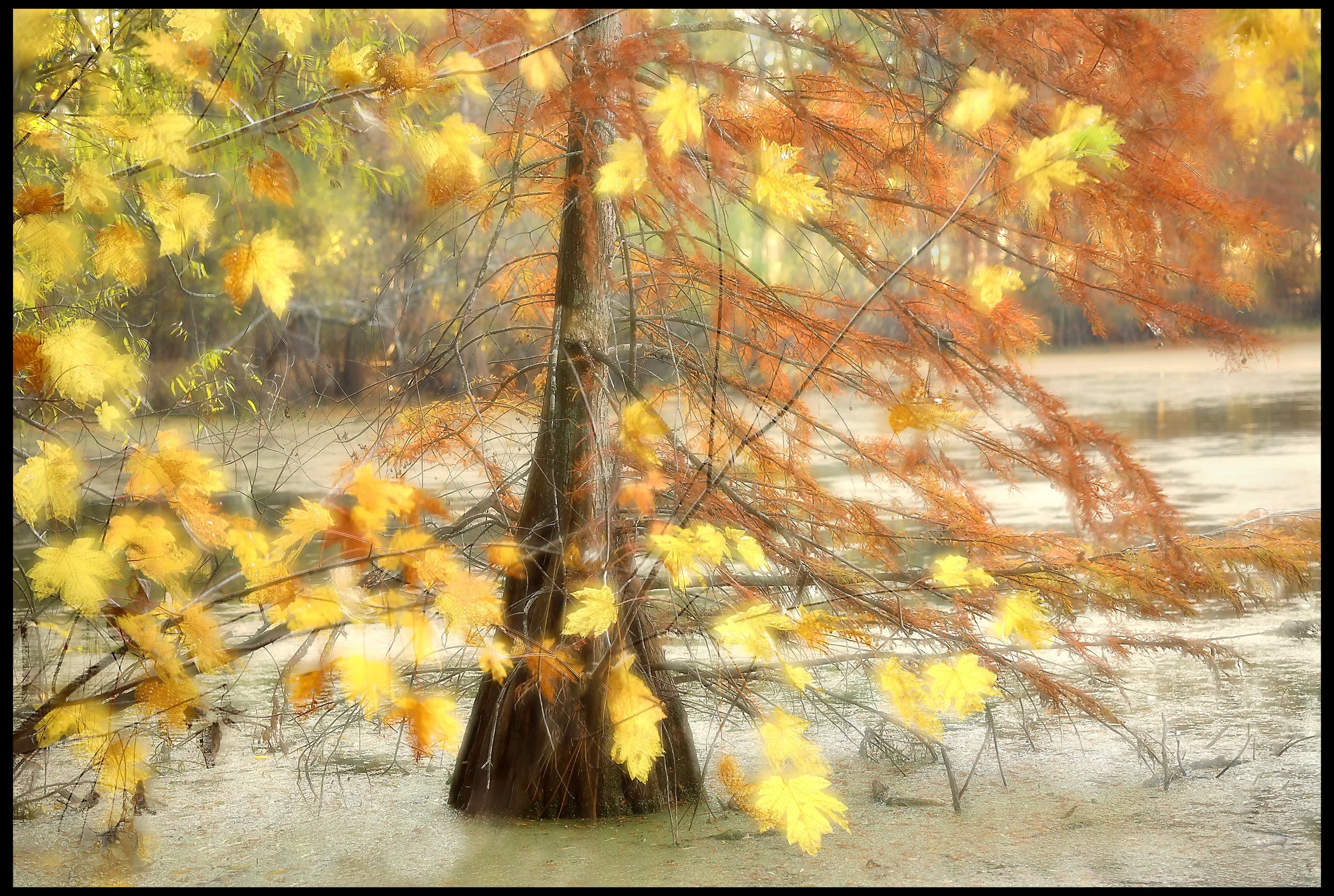
“Dreaming Cypress” Aiken, SC November 2025
Many students don’t consider themselves an artist, because they think they aren’t making art, yet. Isn’t art made by artists? But what I want everyone to know, is that once we make something/anything and share it with another human, we are now artists. It’s that easy.
We all want to get better at something, and we may look back at earlier works and be critical of them. But that is not the same thing as being excited at the time of creation about what we just made in that moment. We can grow as artists and still look back at our earlier works both critically and fondly. Just don’t let the outside world tell us our work is not worthy.
My challenge this week is to repeat after me: “If I like my work and ideas, they are good!”
Thank you, and keep creating what you do.
Patrick Krohn
March 2026