
Can Your “10,000 Hours” Come From
a “Range” of Activities?
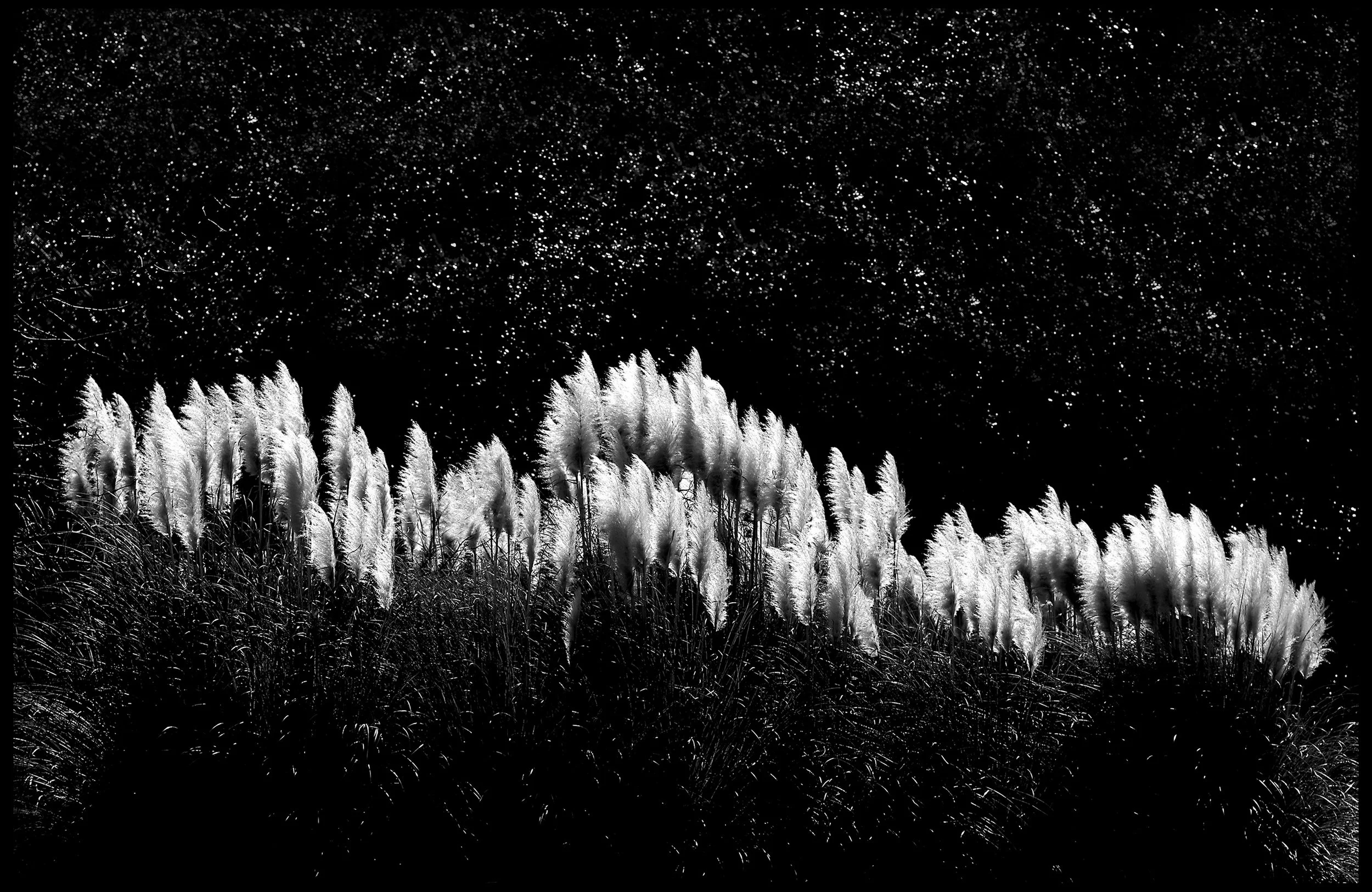
“Aurora and Stars” Aiken, SC, December 2025
Hello Friend,
I’m sure many of you have heard about the “10,000-hour rule.” It was popularized by writer Malcolm Gladwell in his 2008 book “Outliers: The Story of Success”. He brought up the idea of having to put in 10,000 hours of focused practice to really start getting good at something. And that those people at the top of their field started very early and focus almost exclusively in that field. They put in the hours it takes to get to the top and stay there. Doctors and lawyers going through school come to mind, or Tiger Woods in golf, or The Beatles in music.
This looks like a daunting and unsurmountable number, right? This seems pretty logical, right? We are told we need to put in the time and effort in our field and concentrate so much on it, we put aside everything else in our lives. Think the type-A workaholic in business or sports or art. And we are told to pick our careers as early as possible to start accumulating those hours. “What’s your career?” “What’s your major in college?” “What high school classes will you take that will look the best on your college application?” “What classes are you taking in middle school?” “What pre-school did you go to?” Really??
But it’s still just a number. And even Gladwell calls it somewhat arbitrary. And if you do the math, it’s only 5 years of a 40-hour work week. And if you do it more part-time, it’s still about 10 years. Think back 10 years ago. Does it seem like yesterday? What were you doing then that you are better at now? Yes, to get better does take time, but I’d guess that if it’s something you really like – maybe even love to do – that time won’t seem like a chore, but actually time well spent.
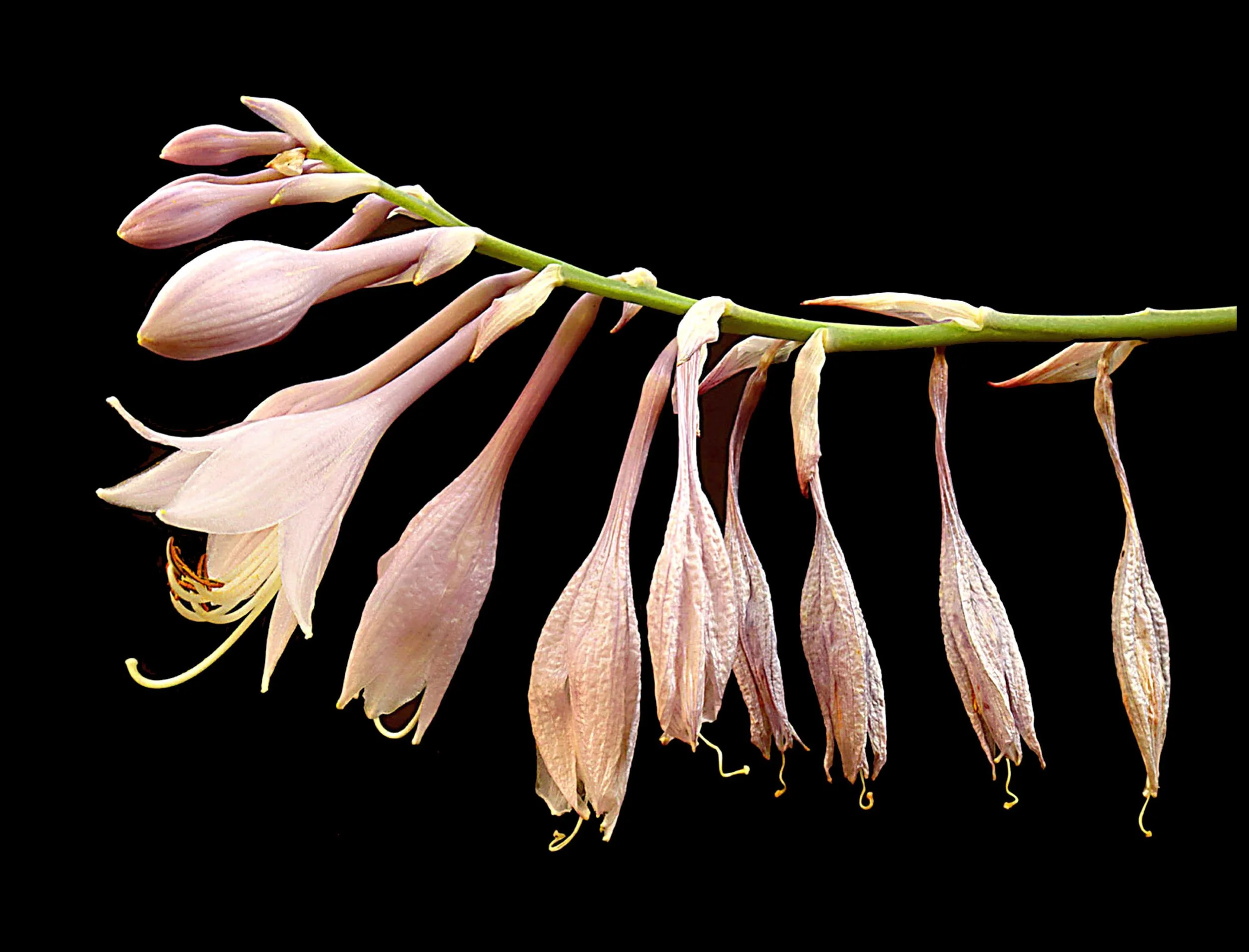
“Lifecycle of a Hosta” Aiken, SC, June 2020
Maybe you are still delaying getting going on a project or changing careers, because you are telling yourself you are starting late and are behind all the people who have been doing it before you. And maybe you are saying to yourself “everyone else started so much earlier than me”. Or even, “I’m too old to start something new/different”. And we often think that our new venture is so different than anything else we have done in our life up until then, that all our other skills, abilities, and experiences were a waste and need to be thrown out.
What if all your past experiences are already part of your 10,000 hours? Maybe, even if you are telling yourself, you are making a 180-degree change in your life, you might be pleasantly surprised how interconnected some of those skills and abilities might be.
There is a slightly different – and I think – more powerful and wholistic take on how we might approach this. In 2019 David Epstein published his book “Range: Why Generalists Triumph in a Specialized World”. Epstein argues that it’s the people with the wide range of skills, abilities and backgrounds that actually are more successful over time. Think about yourself and your friends, maybe you all changed majors a few times in school, worked in a few different jobs or – like me – had whole career changes throughout your life.

“Feathers on the Forest Floor” Boyd Pond Park Aiken, SC, December 2023
Are you really that far behind those that stuck with the same major through school, got a job in that field, and are still in that field? Heck, if you are over the age of 35, you likely don’t know anyone like that. So, what does that say about where you are on your path, and what can you do about it?
On You-Tube, you can find a few conversations Gladwell and Epstein had together about their respective side of this idea. The conversations are educational and enlightening – for us as and for the two men. Gladwell said early on, that 10,000 hours was not a magical number. “It’s supposed to symbolize the amount of time necessary to develop your innate abilities, and is probably longer than you think.” And Epstein in his side, isn’t arguing about not putting in the work to get good at something, he’s saying there are so many more factors in life that make you good at something.
For me as a landscape photographer, does that mean I would throw out the years I was a newspaper photographer? We’d all likely say no, because I was a photographer in both cases. But what about going from photography to sales? Those are very different, aren’t they? Since I was in newspapers for 10 years, selling advertising meant I had a lot of inside knowledge about the different publications we sold and the markets they appealed to. I was also used to asking people questions, and that is a very good skill for a salesperson to have. All my years in sales helps me understand the salespeople I work with now.
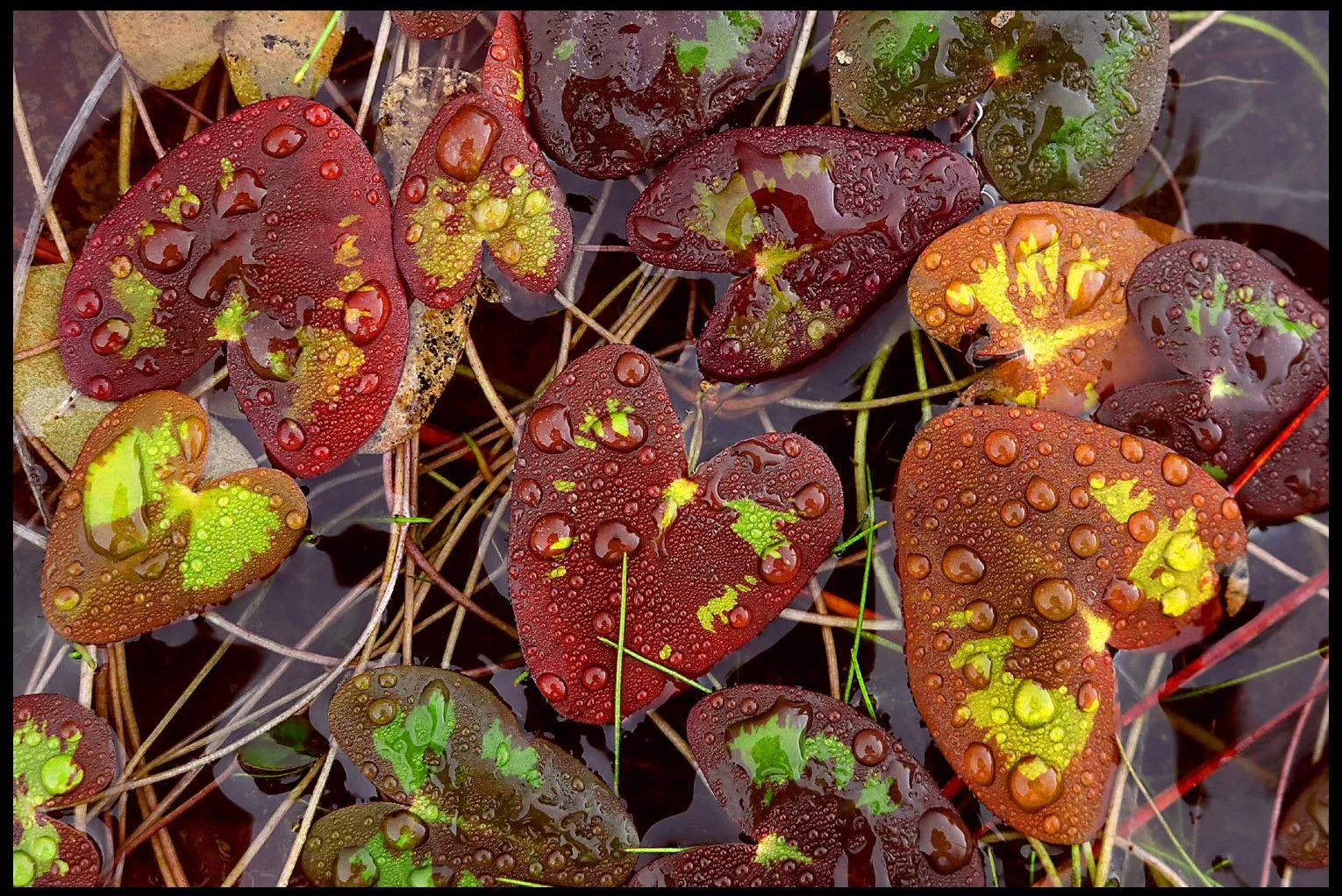
“Hearts on Water” Vaucluse, SC, December 2019
And this is what is at the heart of Epstein’s data and argument: Every part of our lives helps inform and overlap with every other part of our lives. This is how we become such unique people with our own personal Venn diagrams. Look at any two people at the top of their field – photography, engineering, writing, music, anything – did they both get there the same way? Did they go to the same school? Did they even go to school for what they are doing now? Take a few minutes to deconstruct the path of any famous artist or entrepreneur, and you will almost always find their path was not straight, but zigged and zagged a lot. And almost all of them would say it was all the different things in their lives that helped build on each other to make them the person they are today. Can you look at your life and see how your zigs and zags lead to where you are now with your skills and abilities?
As you are looking at your career – either forward as a younger person or backwards as an older one – or at any changes you want to make, don’t get too hung up on how many hours everyone else has put in. Just take stock of where you are, how you got there and where you want to go.
Gladwell talks about “meaningful and focused hours.” So, what does that mean and what might count? I think this is the question that gets most people hung up. We think if we want to be good at our respective field, we need to pour all our time and effort into just that field, and neglect everything and everyone else. But as Epstein talks about, and Gladwell comes to appreciate, almost any part of our lives can help us gain experience and insights into our selected fields of interest.
Patrick Krohn
March 2026
I hope you see how so much of our lives are more closely aligned with our “main pursuit” than we realize. Just spending time thinking about how we want to get better at anything, helps us get better at it. Are there areas in your life that seem unrelated to your “thing”? They might seem like a distraction or a waste of time. Though, I’m sure you have found ways to pull them into your creative endeavor, and you might have discovered some deeper connections and meanings in your work you didn’t realize before. (And they will count towards your hours, right? )
Please, don’t get hung up about these 10,000 hours as a goal in itself. Because as Gladwell says, that’s just the time to start getting good at something. If we have put in a large amount of time and effort into anything, I would hope it’s something we love and enjoy. And, more importantly, something we want to continue doing and learning about. Isn’t it the continuous learning and adventure and exploration really what the fun of this all about?
My challenge this week is to not get so hung up on the hours “we are putting in,” but on the enjoyment of the range of activities that make our lives fun and meaningful.
Thank you and keep creating what you do.
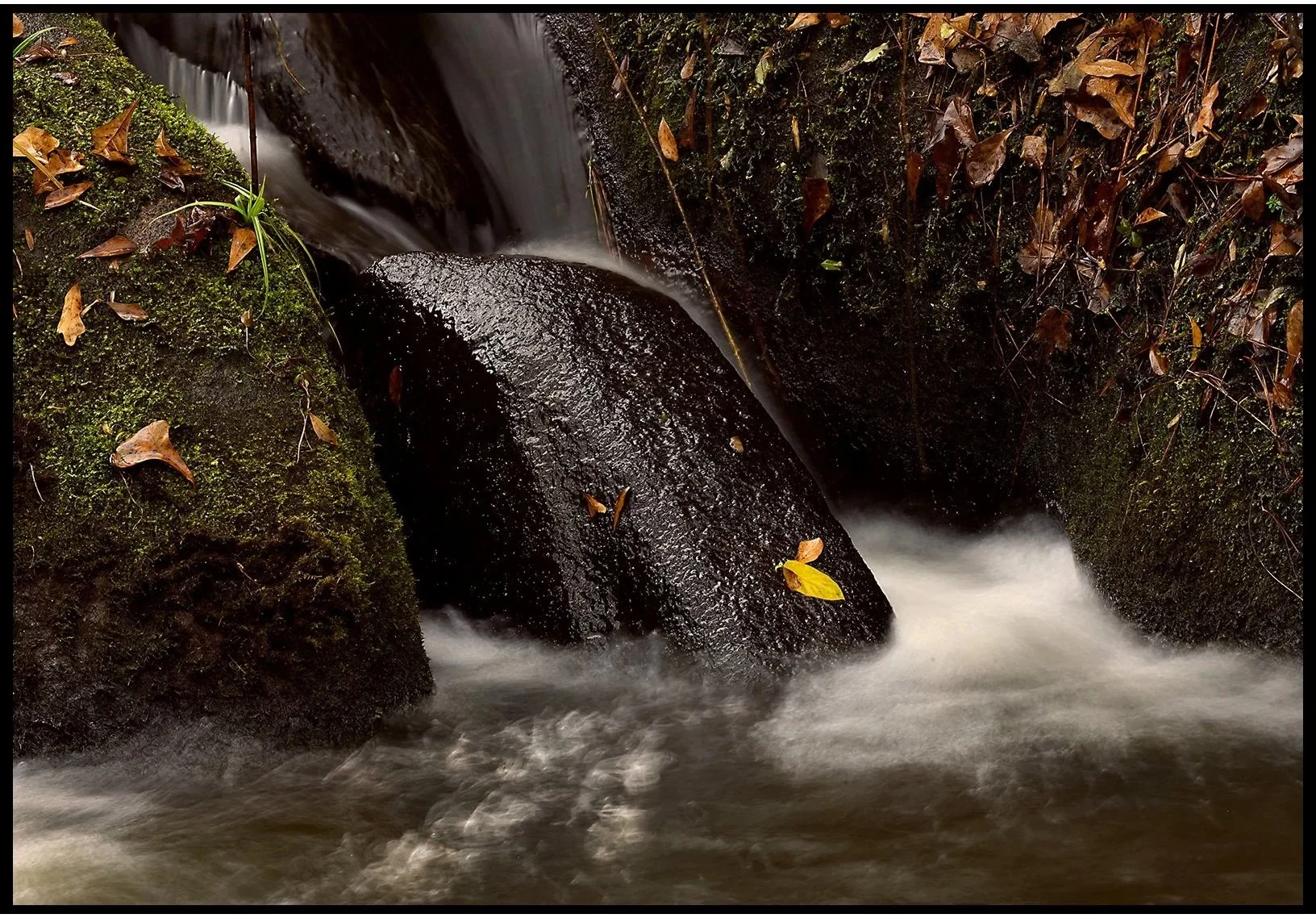
“Venturing Closer to the Waters” Vaucluse, SC, December 2025
Let’s use my last few years as an example. I thought if I wanted to be a really good photographer again, I’d need to only focus on – pun intended – the making of photos: the time behind the camera. But what about editing? I realized that’s part of things as well, so that counts. What about the photo podcasts I was listening to? The images I would look at and deconstruct from social media and photo books, what about that time? Even when I am hiking or biking or driving, I would see things and mentally compose how I would make an image of it. How does that fit in? What about the broader things in my life, such as the podcasts and stories about people in other creative pursuits? I started wondering about all the books I read – fiction and nonfiction – that have nothing to do with photography. When I think about it, most books are about someone going after something others thought was not possible, but they kept with it, and persevered. That’s somewhat how I think of my photo work, so does that count as well? And what about the time I’m preparing for and teaching photo workshops and classes, and how that informs the photos I create. Now to bring this about in a wide arc, here I am writing about photography and creativity. Does all of this count towards my hours of photography or only towards the hours of being a writer? Am I in trouble for double counting?